
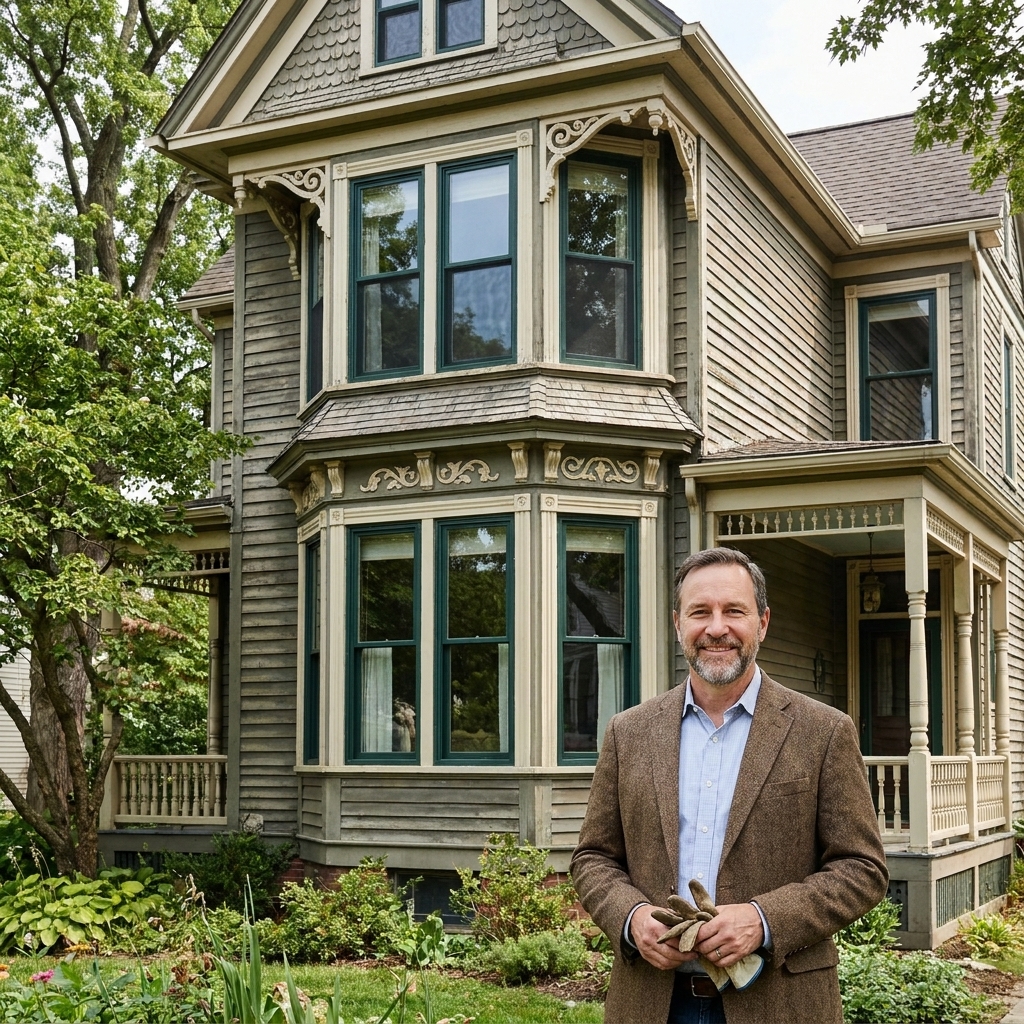
I learned this lesson the hard way in my own 1970s split-level: windows are not just “holes with glass.” They are part of the house’s face. Now, take that idea and apply it to a 100 year old farmhouse or a brick colonial with original divided lights, and you can see why historic window replacement gets emotional fast.
The good news is you can absolutely improve comfort, cut drafts, and modernize insulation without turning your home into a vinyl sided time traveler. The trick is to treat “character” like a checklist of details you protect, then choose the lightest touch solution that solves your real problem.
Start with the question: do you need replacement at all?
Before you price out new units, figure out whether your issue is a window problem or an air sealing problem. I have walked into plenty of older homes where the glass was fine, but the house was bleeding air around the weight pockets, pulleys, loose stops, and cracked casing joints.
When restoration or repair is usually enough
- Sticking sashes from paint buildup or seasonal swelling
- Rattling due to loose stops or worn parting beads
- Drafts caused by failed weatherstripping or gaps in trim
- Single pane discomfort that could be improved with a storm window and better air sealing
If you are dealing with swollen or painted shut double-hungs, start here: How to unstick a painted or swollen double-hung window. If drafts are your main complaint, this guide helps you pick the right approach: Weatherstripping vs. caulking for drafty windows.
When replacement is the right call
Replacement becomes more reasonable when the window is beyond practical repair or when previous bad “fixes” have stacked up.
- Rot or insect damage in sills, lower rails, or jambs that compromises structure
- Severe out-of-square openings where sashes no longer seal even after tune-ups
- Missing parts and repeated failures that make a full rebuild expensive
- Safety issues like cracked panes, failing balances, or windows that will not stay open
- Comfort goals that storms and air sealing cannot meet, especially in very cold or very hot climates
If you are trying to decide whether the timing is right overall, this is a good gut-check: 7 signs it’s time to replace your home’s windows.
Protect the character elements first
When homeowners say “I don’t want to lose the charm,” they usually mean a specific set of visual cues. If you can name them, you can preserve them.
Character checklist for historic windows
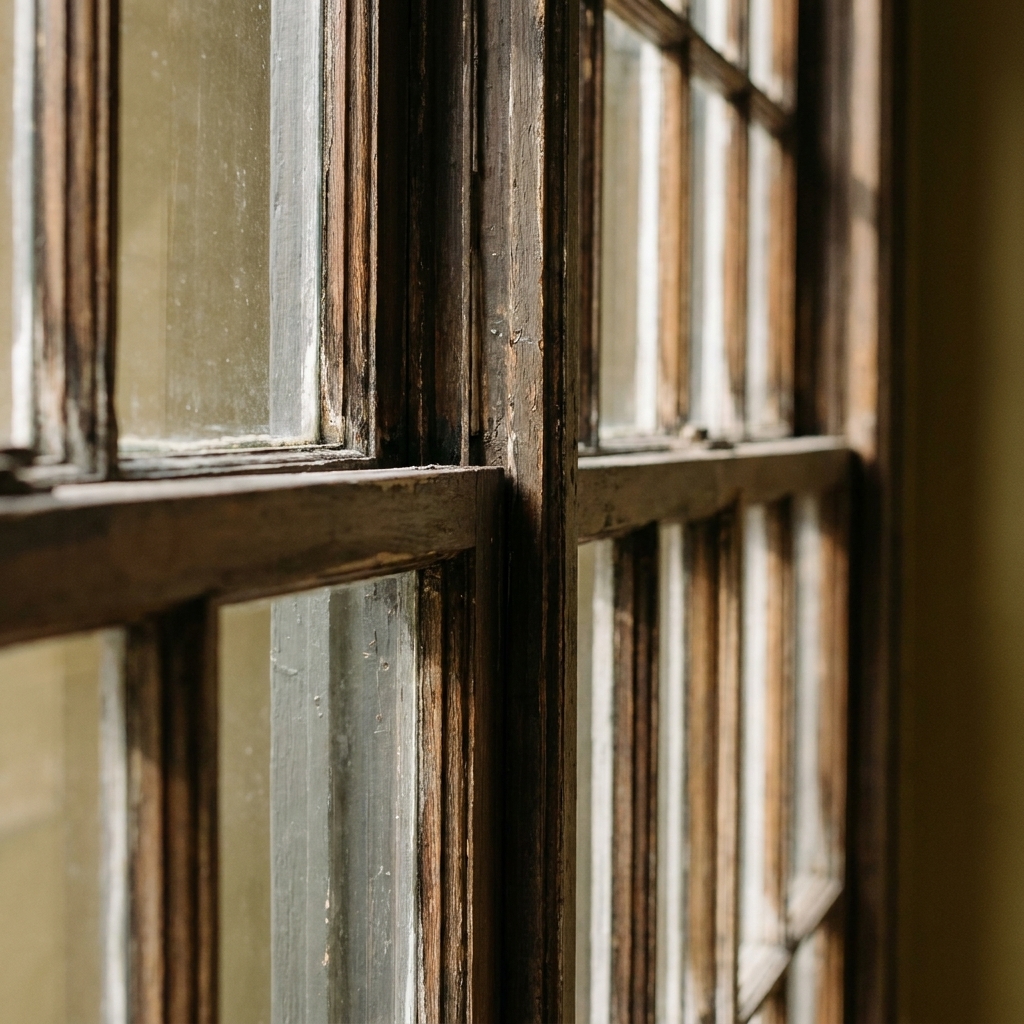
- Sightlines: how much glass you see versus frame. Chunky replacement frames are the fastest way to modernize a historic house in the wrong direction.
- Divided-light pattern: 6-over-6, 2-over-2, cottage-style, prairie grids, and so on.
- Muntin profile: the thickness and shape of the bars that divide the glass.
- Meeting rail height: on double-hungs, the meeting rail location affects the whole facade rhythm.
- Exterior casing and sill shape: the trim is often half the charm.
- Hardware style: lifts, locks, and sash pulls can make a new window look oddly “off” even if the window itself is decent.
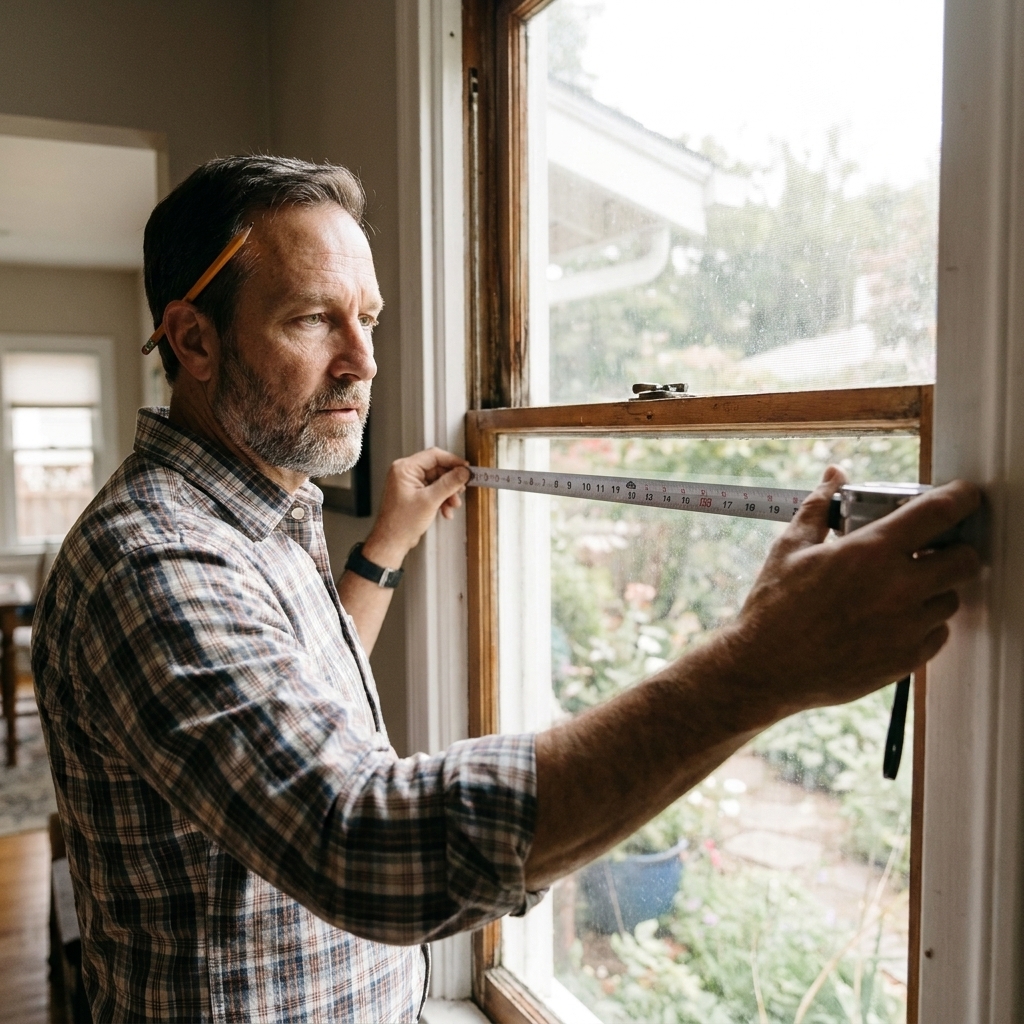
I like to take a straight-on photo of one front window and one side window, then measure the visible glass area and the grid spacing. That becomes my “do not mess this up” reference when shopping or hiring.
Three upgrade paths that keep historic details intact
There is no single best answer. Here are the three routes I see work well, from light touch to full replacement.
Path 1: Repair + air sealing + storms (often the best preservation win)
If your original wood windows are basically sound, this path can deliver a surprising comfort upgrade.
- Rehab the sashes (glazing putty, paint, minor epoxy repairs)
- Add quality weatherstripping at the meeting rails and jambs
- Seal the trim and weight pockets (common hidden draft highways in older double-hungs)
- Add storm windows (exterior or interior) to create an insulating air layer
Storms are not glamorous, but they are one of the most historically friendly ways to improve performance because they preserve the original window. They can also be less visually disruptive than many replacement frames.
Path 2: Sash-only replacement (new sashes in existing frames)
Some manufacturers and specialty shops can replace just the sashes and balances while keeping your original jambs and trim. This is a nice middle ground when the frame is good but the sashes are failing.
Why it helps: You keep interior and exterior casing, preserve the original opening proportions, and avoid a lot of plaster and trim disturbance.
Watch-outs: The new sash thickness and meeting rail position have to match closely or the window will look “rebuilt.” Also, confirm what happens to the original weight pockets and whether they get insulated.
Path 3: Full replacement that is designed for historic profiles
If you truly need full replacement, look for lines or options that focus on narrow frames, correct divided-light patterns, and traditional exterior details.
- Wood replacement windows often match historic proportions best and can be painted to match existing trim.
- Clad-wood (wood interior with aluminum or fiberglass cladding outside) can be a sweet spot for maintenance without sacrificing interior warmth.
- Fiberglass sometimes offers slimmer profiles than basic vinyl and can be very stable, which helps long-term sealing.
- High-end vinyl can work on some homes, but you have to be picky about frame bulk, grid options, and exterior trim compatibility.
To keep expectations realistic, it helps to understand what modern glass packages do and do not do. Here is my plain-English breakdown: Low-E glass and argon gas explained.
True divided lite vs SDL: what looks right from the street?
Divided lights are where historic replacements succeed or fail.
Common grid types
- True divided lite (TDL): separate panes of glass. Most authentic look, usually the most expensive, and can reduce efficiency compared to a single insulated glass unit.
- Simulated divided lite (SDL): one insulated glass unit with applied muntins on the interior and exterior, usually with a spacer bar between the panes to mimic depth.
- Grilles between glass (GBG): the grid is sealed between panes. Easy to clean, but often looks flat and modern up close.
For most historic homes, a high-quality SDL setup is the best balance. The spacer bar between panes detail matters more than most people realize. Without it, grids can look like sticker strips from the sidewalk.
Efficiency upgrades that do not scream new window
If your goal is comfort, you will get the most bang from the boring stuff: air sealing, correct installation, and glass choices that match your climate.
Smart performance choices for older homes
- Prioritize installation quality over headline U-factor. A great window installed poorly will still draft.
- Choose Low-E appropriate to your region. In heating climates, you often want a different balance than in cooling climates.
- Ask about air infiltration ratings. This is a big comfort metric that gets less attention than it deserves.
- Consider sound control if your house is on a busy street. Older homes often have leaky assemblies that transmit noise.
If noise is part of your comfort equation, you may like: DIY window soundproofing that works.
Condensation: a historic-home reality check
Condensation is not always a “bad window” problem. Sometimes it is a humidity and temperature problem. Tightening up a house can even change where moisture shows up.
If you fight winter window sweat, read this before you assume replacement is the only fix: Why windows sweat in winter and how to stop it.
Replacement methods: insert vs full-frame (and why trim matters)
On historic homes, the installation method can change the look as much as the window itself.
Insert (pocket) replacement
An insert replacement keeps the existing frame and installs a new window inside it.
- Pros: less disruption to plaster, interior trim, and exterior casing
- Cons: you lose glass area because you are framing inside a frame, and sightlines can get chunky
Full-frame replacement
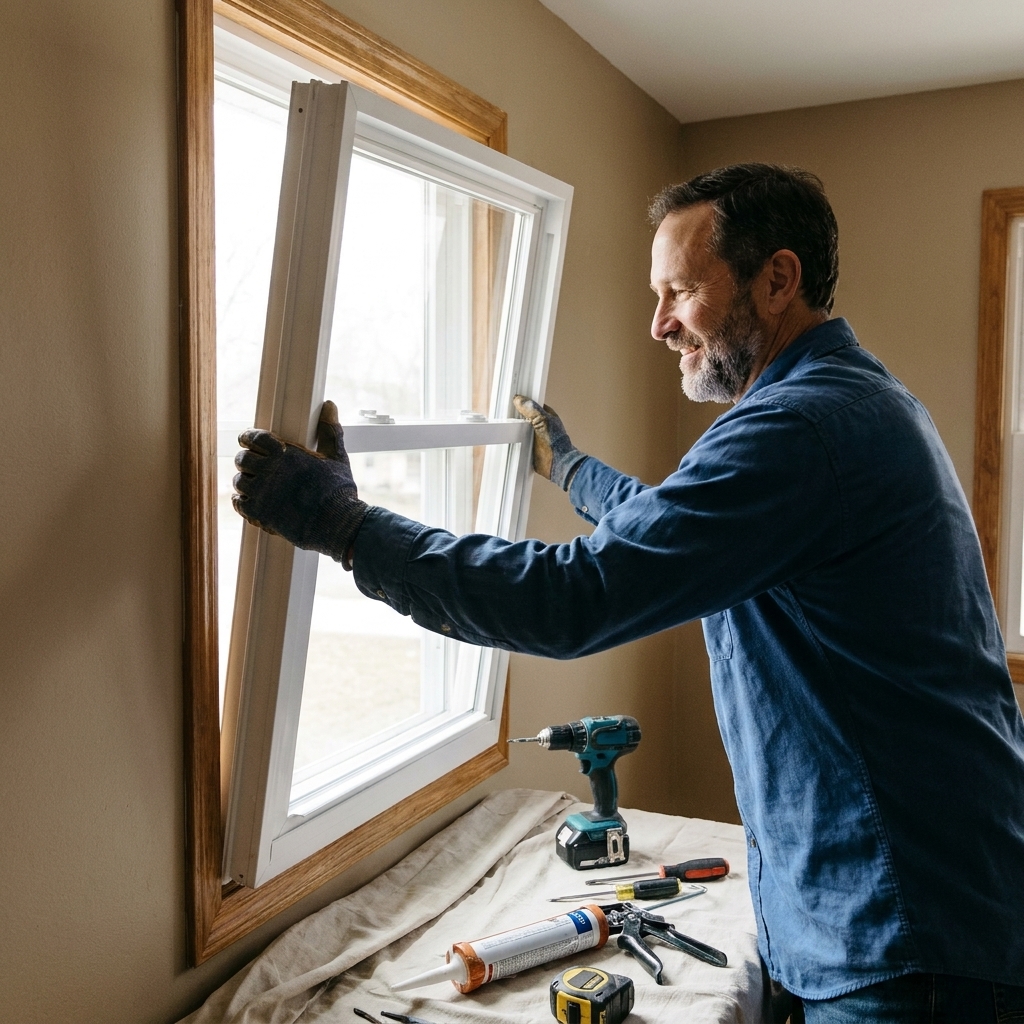
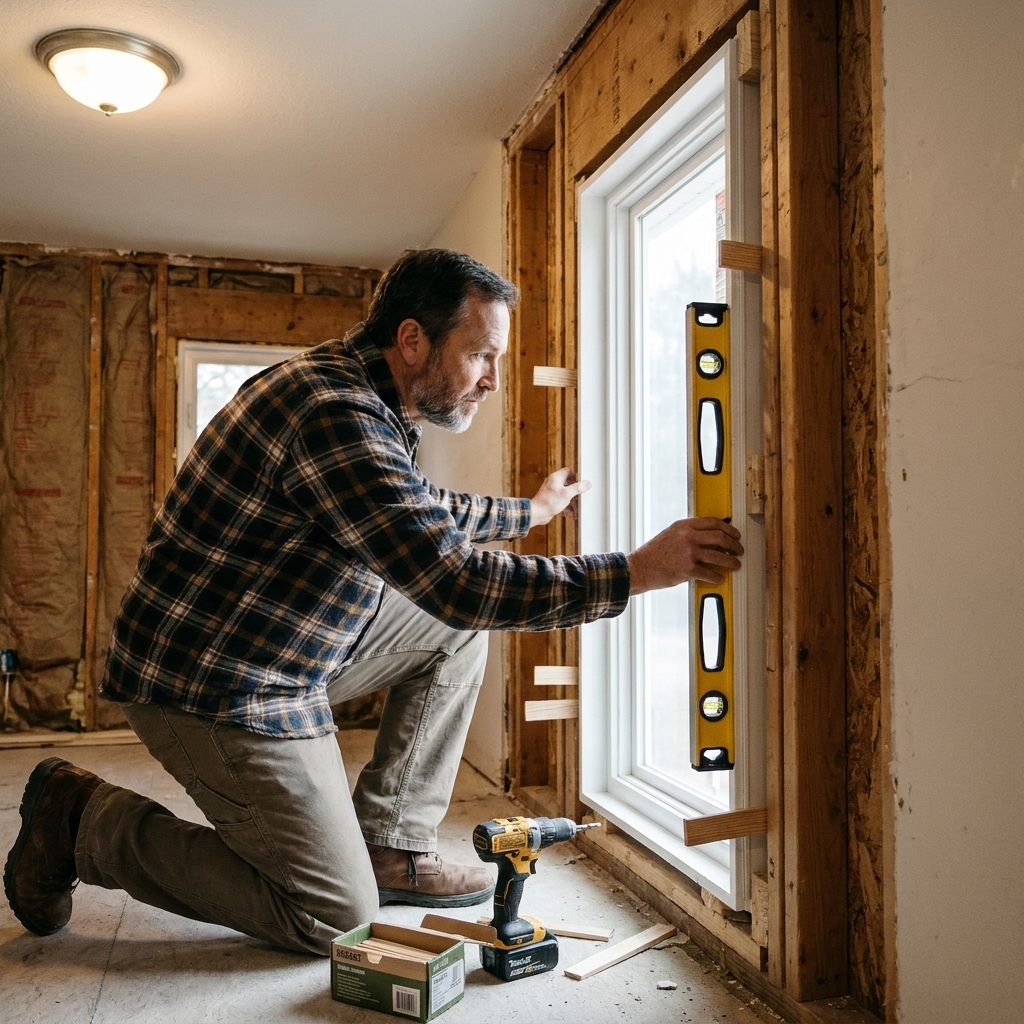
A full-frame replacement removes the old frame down to the rough opening.
- Pros: best chance to fix rot, insulate gaps, square up the opening, and maximize glass
- Cons: higher labor, greater risk of disturbing original trim details unless the contractor is careful
My rule: if the existing frame is rotten or badly out of square, full-frame is usually the honest fix. If the frame is solid and the goal is to preserve trim, an insert can be appropriate, but you have to be picky about frame thickness and final sightlines.

What to ask for when shopping historic-friendly replacement windows
You do not need to be a window nerd to shop well. You just need to ask for a few specifics and insist on seeing them in writing.
- Frame and sash dimensions (especially visible frame width from the interior and exterior)
- Grid type (TDL, SDL with spacer bars, or GBG) and muntin profile options
- Meeting rail alignment on double-hungs
- Exterior options like brickmould, subsills, and casing profiles that match your house
- Paintability and color limitations, especially on cladded products
- Warranty clarity for glass seal failure, finish, and hardware
If you are hiring the work out, use this as your interview checklist: 10 questions to ask before hiring a window replacement contractor.
Don’t let the details get value-engineered away
On paper, two quotes can look similar while the finished look ends up wildly different. Historic-friendly results usually come down to a handful of details that someone has to care about.
Details worth paying attention to
- Exterior casing strategy: Are you keeping original casing, wrapping it, or removing it and replicating it?
- Sill treatment: Historic sills have shapes. Flat modern subsills can look wrong.
- Interior stops and extension jambs: These affect how deep and right the window feels inside.
- Foam and flashing: Proper air sealing and water management should be part of the plan, not an afterthought.
- Hardware finish: A cheap bright-white tilt latch on a period home sticks out like a sore thumb.
If you want a smoother install day and fewer surprises to your trim and paint, this walkthrough helps: How to prepare your house for window installation day.
Quick decision guide
| Your priority | Best-fit approach | Why it preserves character |
|---|---|---|
| Maximum originality | Repair + weatherstripping + storms | Keeps the original sash, glass proportions, and trim |
| Better comfort with minimal disturbance | Sash-only replacement | Maintains existing frames and casing details |
| Rot or major frame failure | Full-frame replacement with historic options | Lets you rebuild correctly and match profiles intentionally |
| Low maintenance outside | Clad-wood or fiberglass | Often slimmer and more paint-friendly than basic vinyl |
FAQ
Will replacement windows hurt the value of a historic home?
They can, especially if the new windows change proportions, grid patterns, or exterior trim in a way that looks obviously modern. If resale is a concern, preserve street-facing windows as faithfully as you can, and avoid thick frames that shrink the glass area.
Are storms good enough in cold climates?
A well-fitted storm paired with a tight, well-maintained primary window can perform very well and improve comfort a lot. The weak link is usually air leakage, not the glass. Seal the assembly first, then decide whether you still need more.
What is the biggest mistake people make with historic replacements?
Choosing a window based on a brochure U-factor and ignoring sightlines. If the frame gets thicker and the grids get flatter, the house loses its rhythm. Ask to see installed examples on homes similar to yours, not just a showroom sample.
Should I replace all windows at once?
Not always. If budget is tight, I like a phased plan: start with the worst-performing windows, or the ones with real rot. Keep the most visible front elevation consistent so your exterior does not look like a patchwork of eras.
My bottom line
Historic homes deserve a little patience. If you treat character as a set of measurable details and efficiency as air sealing plus smart glass choices, you can get a warmer, quieter home without erasing what made you fall in love with it in the first place.
If you want to go deeper on budgeting for the project, I put together a no-surprises breakdown here: The true cost of window replacement.