

I still remember standing in my 1970s split-level with a tape measure in one hand and a rotting sash in the other, trying to decide whether I was about to spend “responsible homeowner money” or “this is going to hurt for a while” money. Replacement windows have a way of doing that. The vinyl versus wood debate is not really about what looks nicer in a brochure. It is about what you will pay over 10 to 30 years, what you will fix (and how often), and what a buyer will see when they walk up to your house.
Here is how I sort it when I am planning a renovation: total cost of ownership first, then performance, then resale. If you pick the right window for your home and your tolerance for upkeep, both can be a smart investment.
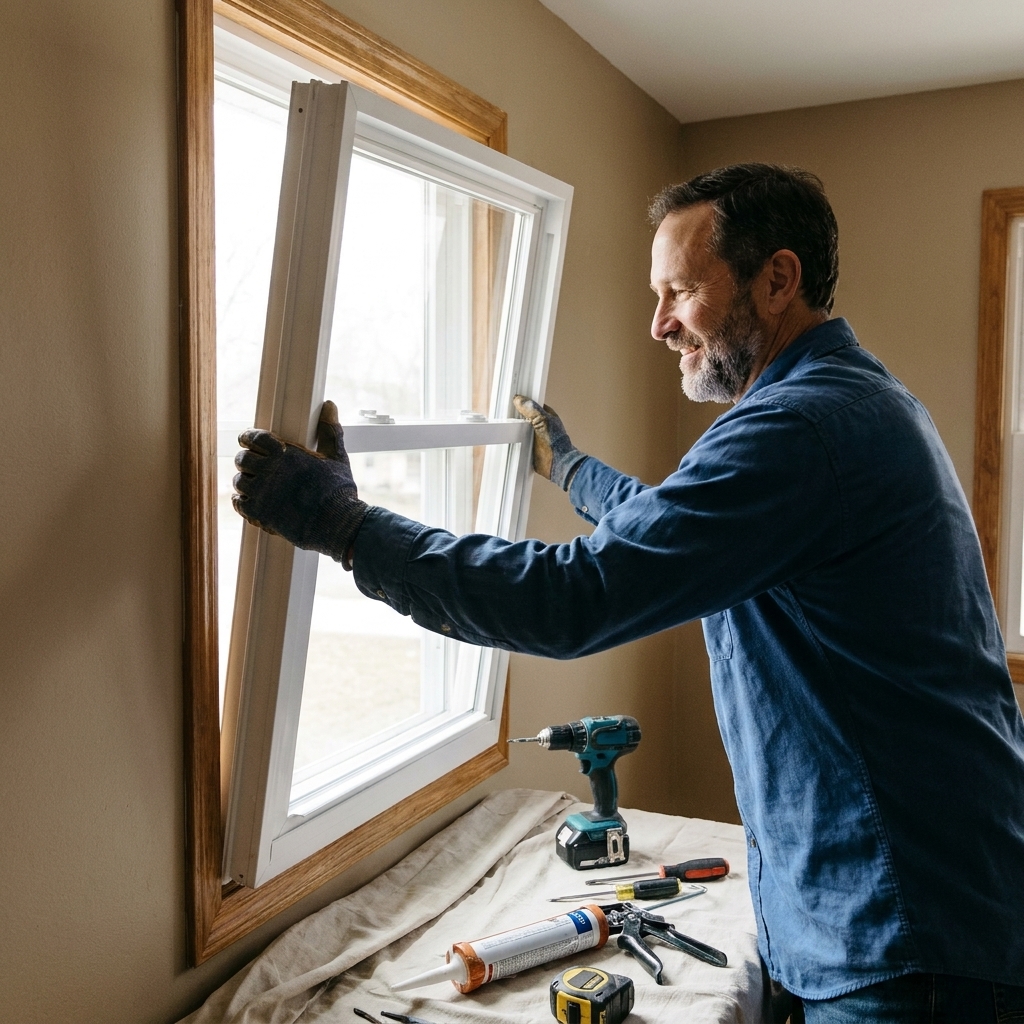
The quick takeaway
- Vinyl replacement windows usually win on lowest long-term cost and “set it and forget it” maintenance, especially in mainstream homes and standard sizes. That said, the math can flip if you are comparing premium reinforced vinyl against more basic wood options, or if you truly maintain high-quality wood for decades.
- Wood windows can win on authentic looks, stain-grade interiors, and certain historic or high-end projects. They can also hold value well, but only if you are willing to maintain them.
- ROI is rarely about the frame material alone. Installation quality, glass package, and how well the windows match the home’s style often matter more than whether the frame is vinyl or wood.
Upfront cost: what you are really paying for
For most homeowners, vinyl is the lower sticker price option. Wood is typically higher because the raw material and finishing are more expensive, and wood windows are often purchased with more premium hardware, profiles, and customization.
One point of confusion: “wood” can mean two things
- All-wood windows: wood inside and out. Beautiful, but the exterior finish is the ongoing maintenance commitment.
- Clad-wood windows: wood interior with an exterior cladding (often aluminum or vinyl). These are commonly sold as “wood” in bids because the interior is wood, but the exterior upkeep looks more like a low-maintenance product.
If two quotes both say “wood,” confirm whether you are comparing all-wood to clad-wood. It changes the maintenance and sometimes the price more than people expect.
Typical price patterns
- Vinyl: Usually the best price-to-performance choice in standard sizes. Costs can jump with larger openings, specialty shapes, upgraded colors, and premium glass.
- Wood: Often priced as a premium product. You may also pay more for factory finishes (paint or stain), divided-light details, and matching trim work.
My rule of thumb: when comparing bids, separate the “window unit” price from the “installation and trim” price. A modest vinyl window installed perfectly often outperforms a pricey wood window installed poorly.
Maintenance and repair: the hidden line item
This is where the long-term math starts to diverge.
Vinyl maintenance reality
- Cleaning is straightforward, and the frame does not need painting.
- You will still maintain caulk, exterior trim (if present), and weatherstripping over time.
- If something fails, repairs can be less “craft” and more “parts swap.” Balances, locks, and sashes are often replaceable, but parts availability depends on the manufacturer and how long that product line sticks around.
Wood maintenance reality
- Wood lasts a long time when it stays sealed. The moment water gets in, rot and paint failure can snowball.
- Expect periodic painting or re-sealing, especially on sunny or weather-exposed elevations. In real life, that can mean touch-ups as needed and a full repaint or recoat roughly every 5 to 10 years on harsh exposures, and sometimes longer on sheltered sides.
- Wood is often more repairable in a traditional sense. Small rot areas can sometimes be patched. Components can sometimes be rebuilt rather than replaced. The tradeoff is labor, which can add up.
If you have dealt with sticking double-hung windows before, you already know how little moisture and swelling it takes to change how a window operates. If you are troubleshooting older windows right now, you might also like our guide on how to unstick a painted or swollen double-hung window.
Durability and lifespan: what fails first
Both vinyl and wood can last decades, but they tend to fail in different ways. Also, some failures are just “modern window” issues, regardless of frame material.
Vinyl: stable, but not invincible
- Vinyl does not rot, which is huge.
- Heat and sun can be the long-term enemy. Dark exterior colors can run hotter, and warping risk depends on frame design (multi-chamber profiles), reinforcement, and correct shimming and installation. This is one reason some manufacturers limit dark colors on vinyl exteriors.
- Common long-term problems include hardware wear, balance issues, and in some cases frame distortion that impacts operation.
Wood: strong, but moisture-sensitive
- Wood is structurally strong and stiff, which can feel solid in operation. (Some vinyl windows are reinforced too, so this depends on product quality.)
- Water intrusion is the big risk. Once rot starts, the cost is not just cosmetic. It can affect the rough opening and surrounding framing.
- In the right conditions and with consistent maintenance, wood can last a very long time.
One big “either way” issue: IGU (insulated glass unit) seal failure. Fogging or moisture between panes happens in vinyl and wood windows alike because it is about the glass unit and seal, not the frame material.
What matters either way: Good flashing, correct insulation around the window, and careful caulking. If you are chasing drafts today, start with the basics. Our breakdown of weatherstripping vs. caulking for drafty windows can help you decide what to tackle first.
Energy performance: glass beats frame, but details still matter
Homeowners sometimes assume wood automatically insulates better than vinyl, or vinyl automatically “saves energy.” In reality, modern replacement windows are usually won or lost on the glass package, air leakage, and how well the unit is installed.
Where energy performance really comes from
- Low-E coatings and gas fills (like argon) do most of the heavy lifting.
- Air leakage ratings matter for comfort. A window can have great glass and still feel drafty if it leaks air.
- Installation matters as much as specs. A tiny gap left unsealed around the frame can undercut a premium window.
If you want an objective way to compare, look for the NFRC label and compare U-factor and SHGC based on your climate goals. The NFRC explains ratings and labels here: https://www.nfrc.org/ratings.
Resale value and ROI: what buyers actually notice
Replacement windows are a “comfort upgrade” buyers can feel. Smooth operation, no drafts, no fogged glass, and a clean exterior finish show well. Frame material can influence perception, but it is not the only driver.
When vinyl tends to look best for ROI
- The home is mid-market and buyers prioritize low maintenance.
- You are replacing windows primarily for comfort, efficiency, and reliability.
- The window style and color match the home and trim details, so nothing looks like a patchwork update.
When wood can support strong resale value
- The home is historic, architecturally significant, or higher-end where wood interiors are expected.
- You want stain-grade interiors or a specific profile that better matches original millwork.
- You are committed to keeping the finish maintained so the windows still look sharp years from now.
For a broad, data-backed view on remodeling ROI categories, the annual Cost vs. Value report is a helpful reference point: https://www.remodeling.hw.net/cost-vs-value. Treat ROI numbers as directional, not a promise. Your neighborhood and the quality of the install will swing the real outcome.
A practical long-term cost comparison (10 to 30 years)
Instead of arguing materials in the abstract, I like to think in buckets. Here is what you are likely to pay for over time.
| Cost category | Vinyl replacement windows | Wood replacement windows |
|---|---|---|
| Upfront purchase | Typically lower | Typically higher |
| Finish upkeep | Minimal for the frame | Periodic paint or seal maintenance (plan on touch-ups, with repaint or recoat cycles often landing in the 5 to 10 year range on tough exposures) |
| Moisture risk costs | Lower risk of rot-related repairs | Higher risk if water gets behind paint or trim |
| Repairability | Often replace parts, sometimes replace whole unit | Often repairable, but labor can add up |
| Longevity upside | Strong if quality is good and sun exposure is managed | Strong if consistently maintained and kept dry |
| Best ROI scenario | Mainstream homes, low-maintenance buyers | Higher-end or historic homes, design-driven buyers |
The part people miss: Wood windows can be a better long-term value if you actually keep up with the finish. If you know you will not paint for 12 years, vinyl is usually the calmer choice.
A quick “watch for it” example: if you start seeing haze that you cannot clean off between panes, that is often an IGU seal problem. That repair cost exists in both vinyl and wood windows, so it is worth asking what the glass seal warranty looks like on any bid.
Climate and exposure: pick the material that matches your reality
Hot, high-sun areas
- Vinyl can perform well, but quality matters more. Consider lighter exterior colors to reduce heat load, and ask whether the frame is reinforced if the opening is large.
- Wood needs vigilant finish maintenance on sunny elevations.
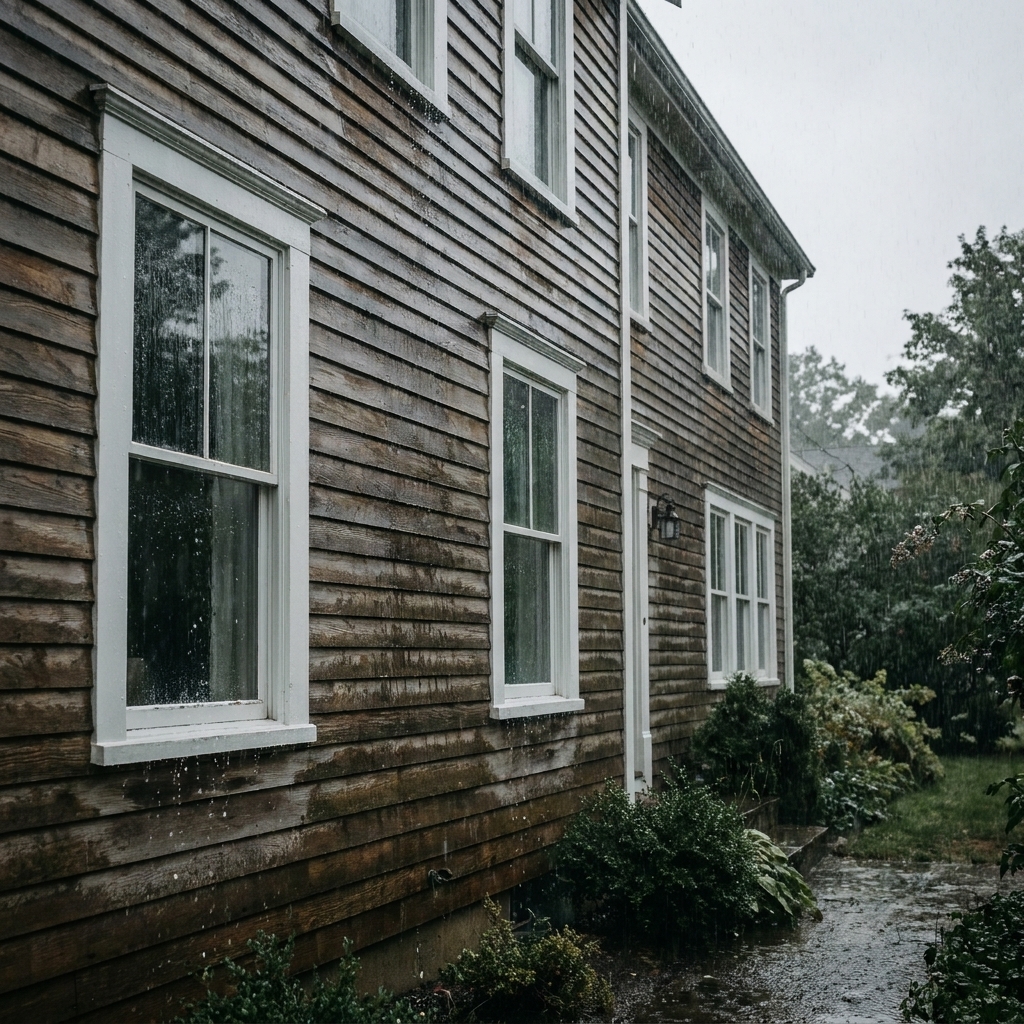
Wet, coastal, or heavy-rain areas
- Vinyl is attractive because it is not rot-prone.
- Wood can still work, but the flashing and paint schedule need to be treated like routine maintenance, not “someday.”
Cold climates
- Both can be comfortable if the window has good air sealing and the install is tight.
- Condensation management matters. Indoor humidity control and proper ventilation help as much as window choice.
How to choose: my decision checklist
If you are stuck, walk through these questions in order. They are boring, which is exactly why they work.
- How long will you live there? Under 7 to 10 years, I prioritize good performance and clean looks. Over 15 years, maintenance costs and durability matter more.
- Do you actually maintain exterior paint? Be honest. If painting is always deferred, choose vinyl and spend the savings on better glass or installation details.
- Is your home style asking for wood? Older colonials, craftsman homes, and historic properties often look “right” with wood interiors and profiles.
- What is the exposure? South and west sides take a beating. That influences color choice, finish choice, and sometimes material choice.
- What replacement type is included? This is a big one.
- Insert (pocket) replacement keeps the existing frame and installs a new window inside it. It is usually cheaper and faster, but it depends on the old frame being square, solid, and dry.
- Full-frame replacement removes the old frame down to the rough opening. It costs more, but it is often the smarter choice when there is hidden rot, water intrusion, or you need to properly integrate new flashing and a sill pan.
- What is included in the bid? Exterior trim replacement, interior casing work, disposal, and lead-safe practices (in older homes) can swing total cost more than most people expect.
- What do the warranties actually cover? Compare coverage for glass seal failure, hardware, and for wood products, the exterior finish. Also ask how warranty service works if the installer or manufacturer changes over the years.
Common money mistakes I see (and how to avoid them)
1) Paying for premium windows and getting average installation
A great window installed with sloppy shimming, poor flashing, or rushed air sealing can still leak, stick, and feel drafty. Ask the installer to explain their air-seal and flashing approach in plain language.
2) Ignoring the trim and water management
Rot often starts in the trim, not the window. If your project budget does not include fixing questionable exterior trim, you are building on a weak foundation.
If you want a quick water-management checklist to listen for, I like to hear terms like sill pan, head flashing or drip cap, and that the flashing will be integrated correctly with the home’s water-resistive barrier. You do not need to micromanage it, but you want to know they have a real plan.
3) Choosing wood for the look, then treating it like vinyl
Wood needs a plan. If you love the warmth of wood interiors, great. Just go into it with eyes open about finish touch-ups and repaint cycles.
Bottom line
If you want the most predictable long-term costs with the least maintenance, vinyl replacement windows are usually the best value. If your home’s character, interior finish goals, or neighborhood expectations truly call for it, wood windows can still be worth the premium, as long as you are willing to protect them from water and stay ahead of finish maintenance.
Whichever direction you go, do not let the material debate distract you from the big ROI drivers: solid installation, the right glass package for your climate, and a window style that looks like it belongs on your house.