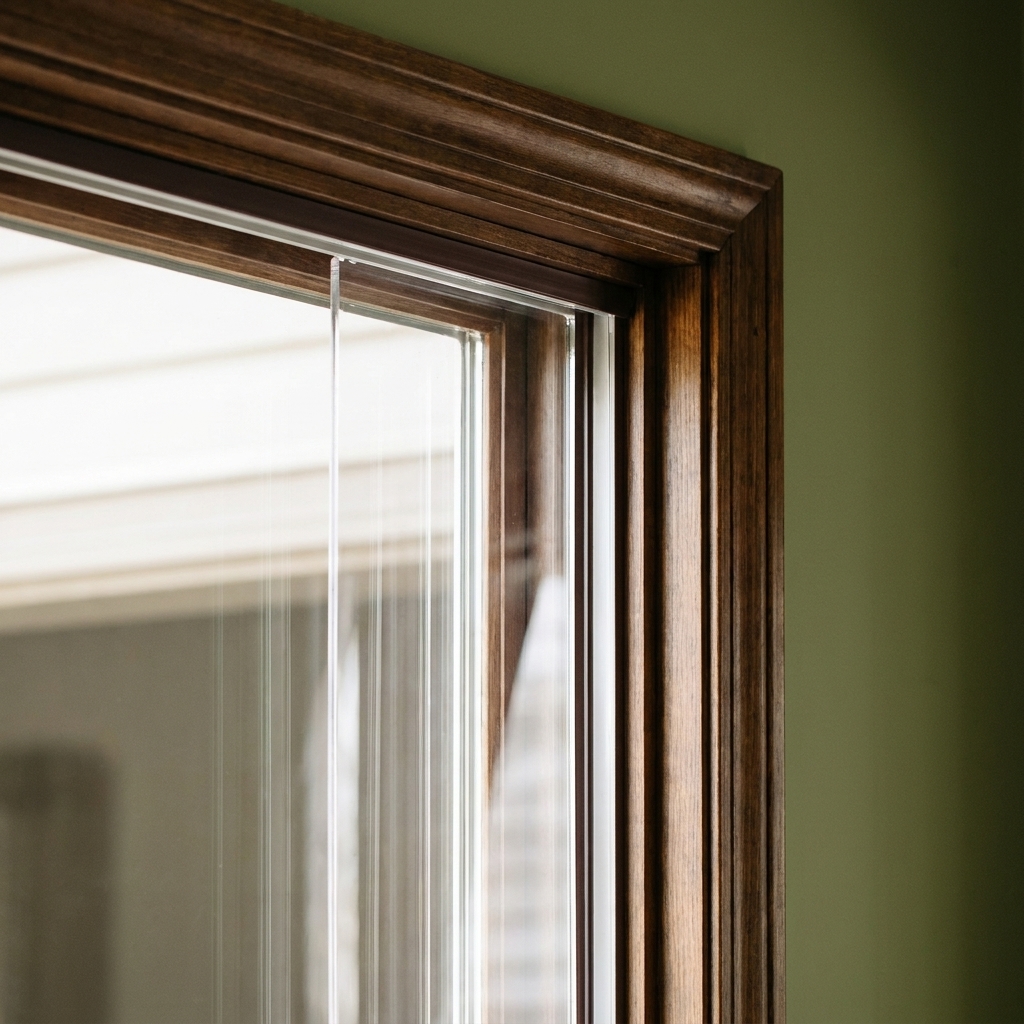

The first night I slept in my 1970s split-level after moving in, I learned something fast: a “closed” window does not automatically mean a “quiet” room. My bedroom faces a busier street than I would like, and the window looked fine, but the noise still poured in like it had a key.
The good news is you can meaningfully cut street noise without replacing every window in the house. The trick is knowing what actually works (sealing air leaks, adding mass, and creating a sealed air gap) and what mostly wastes money (thin foam, lightweight “soundproof” stickers, anything that does not seal).
What you are fighting
Street noise gets through windows in two main ways:
- Air leaks: tiny gaps around the sash, trim, or meeting rails act like little speaker ports. If you can feel a draft, it is a strong sign sound is leaking in too.
- Vibration through glass and frame: glass and lightweight frames can vibrate when noise hits them, then “replay” it inside, even if you do not notice a draft.
The best DIY soundproofing stacks solutions that handle both. If you only add a thick curtain but leave a leaky sash, you will still hear a surprising amount.
Seal the gaps first
If you do only one thing this weekend, do this. Sealing air leaks is inexpensive and it improves comfort year-round.
Step 1: find the leaks
- On a windy day, run your hand around the window edges and where the sash meets the frame.
- At night, have someone shine a flashlight from outside while you look from indoors. If you see light at the edges, you have a leak.
- Listen. A “hiss” near the trim is usually air movement.
Step 2: weatherstrip the moving parts
For double-hung and sliding windows, use weatherstripping where parts move against each other. Look for options that compress when closed, not just thin fuzz.
If you are deciding between sealing methods, I broke down the strengths and limitations here: Weatherstripping vs. caulking for drafty windows.
Step 3: caulk the trim and frame (not the sash)
Use paintable caulk along interior trim joints and where the window frame meets the wall. Do not caulk anything that needs to move to open and close.
Also, do not block weep holes on the exterior side. Interior caulking usually does not affect weep holes, but exterior caulk in the wrong spot can trap water where you really do not want it.

What to expect: This often delivers the biggest “wow” per dollar because it attacks the sound highway directly.
Hang heavy curtains correctly
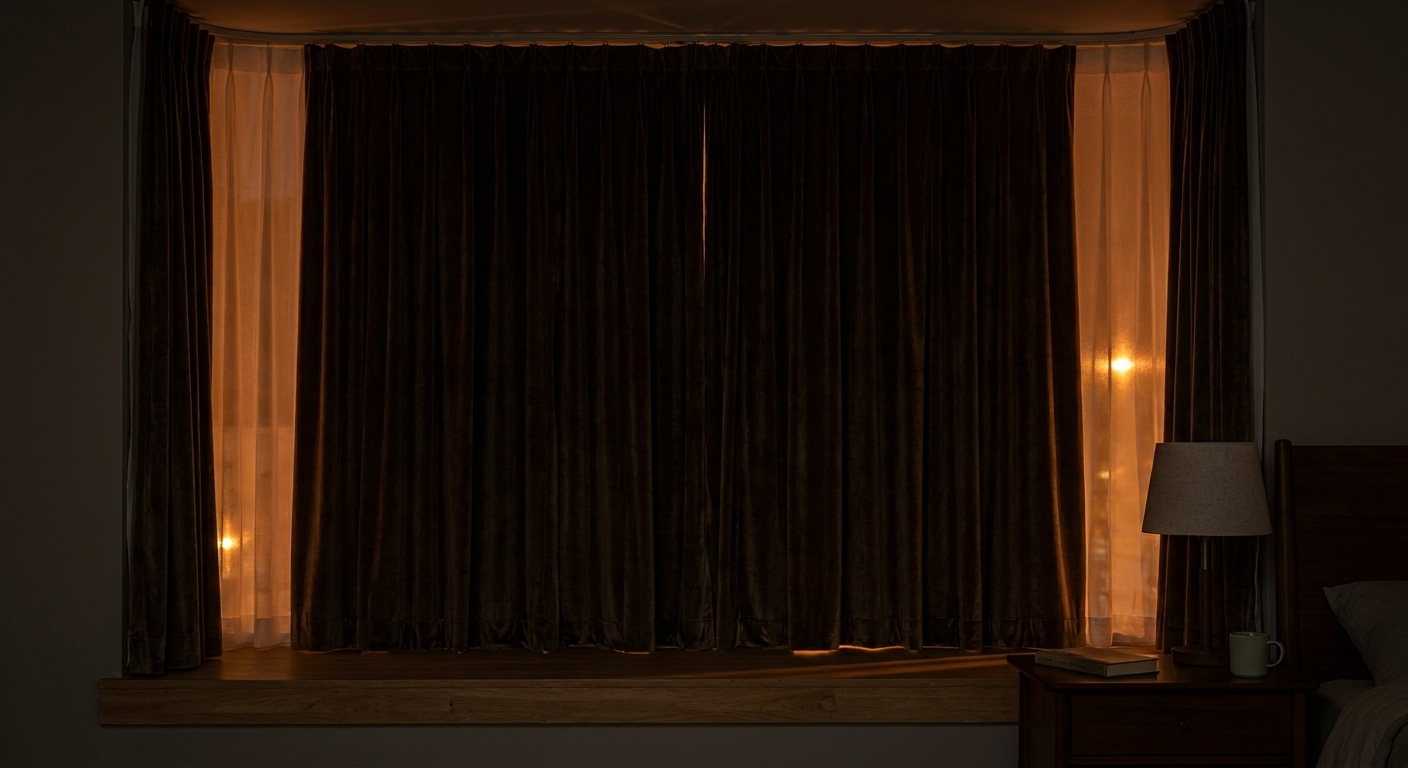
Thick curtains can absolutely reduce noise, but the typical “two skinny panels on a flimsy rod” setup leaves sound paths all around the edges.
What works
- Dense fabric with a liner: blackout curtains with a heavy thermal liner tend to perform better than light decorative drapes.
- Wide and tall coverage: extend 6 to 12 inches past the window on both sides, and mount the rod 4 to 8 inches above the trim so you cover the top gap too.
- Minimal edge gaps: if you can, use a wraparound rod or a track that keeps the curtain closer to the wall.
- More folds: a fuller curtain (more fabric width) usually blocks more sound than a flat one.
What to expect: Good for higher-pitched noise and the “busy” feel of traffic. It is less impressive on low-frequency rumbles unless paired with sealing or an insert.
If you are starting from scratch, measure first so you can hang them high and wide without guessing: Measure for curtains before you shop.
DIY window inserts work best
If your bedroom faces a busy road and you want a noticeable drop in noise, a tight-sealing interior window insert is the closest thing to a “secret weapon” that still counts as DIY-friendly.
These are secondary interior panels (often acrylic or glass) that mount on the inside of the existing window frame. The magic is the sealed air gap between the insert and your existing glass, plus a continuous seal around the edges.
Another bonus: many inserts are removable, so you can take them out seasonally, open the window when you want, or pop them off for cleaning.
Why inserts work
- They add another barrier (more mass than a curtain).
- They create an air space, which disrupts sound transmission.
- They seal the perimeter, which stops “leak noise.”
Budget-minded options
- Magnetic acrylic insert kits: easiest to remove, good for renters if allowed. Performance depends on how airtight the magnetic seal is.
- Compression-fit panels: a panel that presses into a frame channel with a gasket. Better sealing potential, a little more finicky to size.
- Seasonal shrink film: inexpensive and helpful when installed carefully. It tends to be more noticeable for drafts and whistling than for major noise reduction.

Tips for real results
- Airtight edges usually matter most: a perfect seal with a thinner panel can beat a thicker panel with leaks. That said, panel material and thickness still matter, especially for deeper, low-frequency noise.
- Use a sensible air gap: a larger air space often helps up to a point, but there are diminishing returns, and very deep gaps can raise condensation risk if humidity runs high.
- Plan for condensation: very tight interior panels can change moisture behavior. Keep indoor humidity reasonable and watch for fogging.
- Do not ignore the window frame: if the trim leaks air, seal that first or the insert will not reach its potential.
- Do not trap yourself: in a bedroom, make sure your setup does not interfere with emergency egress. Avoid anything so permanent that you cannot remove it quickly if you need the window as an exit.
What to expect: Inserts typically give the biggest improvement for traffic noise without the cost and disruption of full replacement.
Temporary fixes worth doing
If you need quiet now and you are not ready to buy inserts or curtains, these can bridge the gap.
Window shrink film (interior)
Installed tight and taped well, shrink film reduces drafts and can soften the sharper, hissy parts of street noise. It will not stop bass-heavy trucks, but it can take the edge off and it is low-cost.
Rope caulk (seasonal)
Rope caulk can be pressed into small gaps for the season and removed later. It is not glamorous, but it is effective for eliminating tiny air paths.
Do not ignore the rest of the room
If the bedroom door is hollow core with a big gap underneath, you may be hearing a lot of reflected noise from the rest of the house. A simple door sweep and perimeter weatherstripping can make your “quiet room” feel tighter and calmer.
And if you have a wall vent, a through-wall AC sleeve, or a fireplace chase nearby, that can be the weak link. If your window improvements do not move the needle, look for other air paths in the room.
What disappoints
- Thin foam tiles on the glass: they may reduce echo inside the room, but they do little to stop outside noise getting in.
- Lightweight “soundproof” curtains: if they feel like normal drapes, they will perform like normal drapes.
- Random gap stuffing: towels, loose foam strips, or bunched fabric around the sash help a little, but the leaks return as soon as things shift.
If a product does not add mass and seal the perimeter, it is usually more “sound styling” than soundproofing.
A simple plan
If I were setting up a priority list on a tight budget, here is the order I would tackle it:
- Seal drafts: weatherstrip moving parts, caulk trim gaps. This is your foundation.
- Add heavy curtains: hang high and wide, maximize fullness, minimize side gaps.
- Install an interior insert: if traffic noise still wakes you up, this is the jump in performance.
- Consider replacement: only after you have sealed. If your window is old, loose, or single-pane, replacement can be worth it, but it is the most expensive lever. If noise control is the goal, ask about glass packages that are designed for sound, like laminated glass or acoustic IGUs, not just “double-pane.”
Need a broader walkthrough of home projects that start with comfort and function first? The Command Line guides collect my most practical, do-this-next kind of fixes.
Quick FAQ
Can I soundproof a window without replacing it?
Yes. A tight-sealing interior insert plus good weatherstripping can dramatically cut noise without touching the existing window.
Do double-pane windows block street noise?
They help, but the details matter. Air leaks can make a double-pane window sound “thin,” and not all double-pane glass packages are designed for sound control. Sealing gaps is still step one.
What about plug-in window panels that fill the opening?
They can work well because they add mass and block air movement, but they also block light and typically make the window unusable while they are in place. I treat them as a last resort for sleep, shift work, or nurseries. In a bedroom, do not use anything that prevents emergency egress.
What is the most common DIY mistake?
Spending money on “soundproof” materials before fixing air leaks. If you can feel a draft, seal that first.