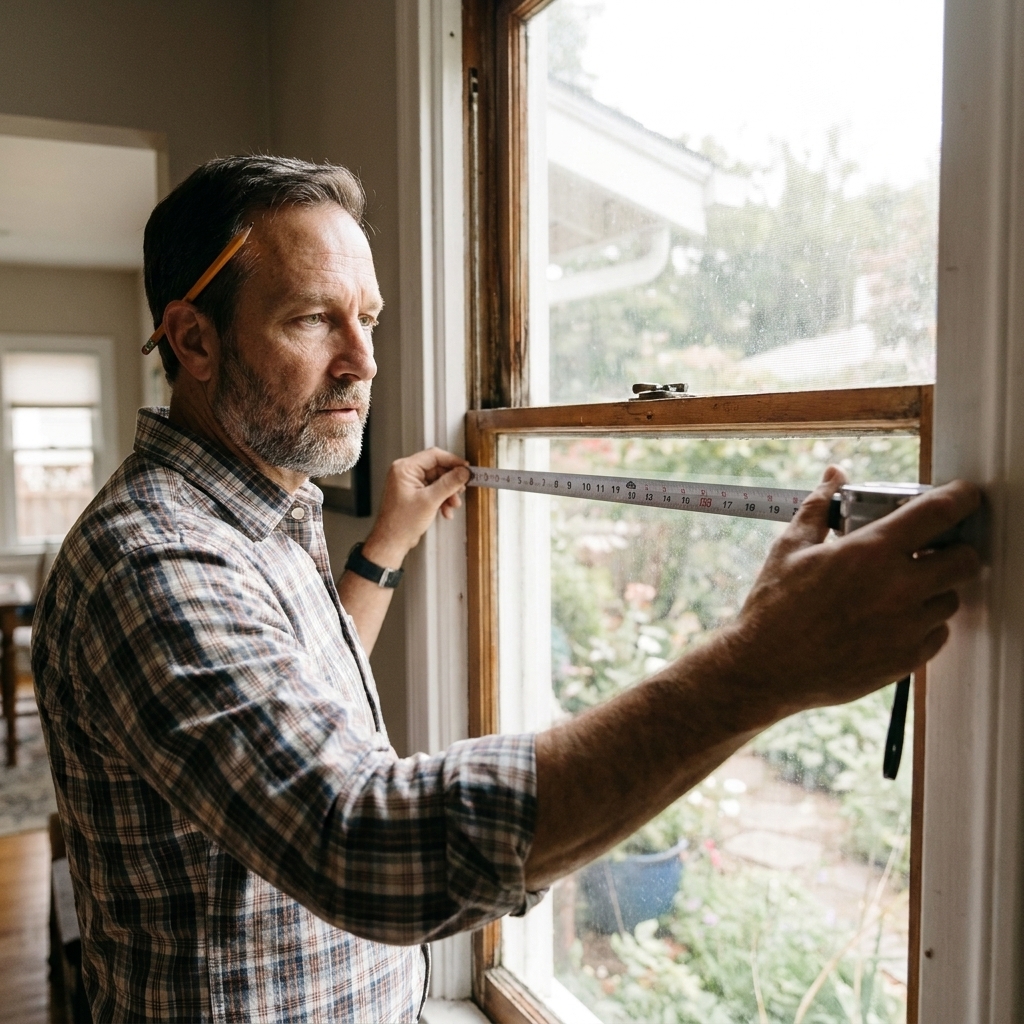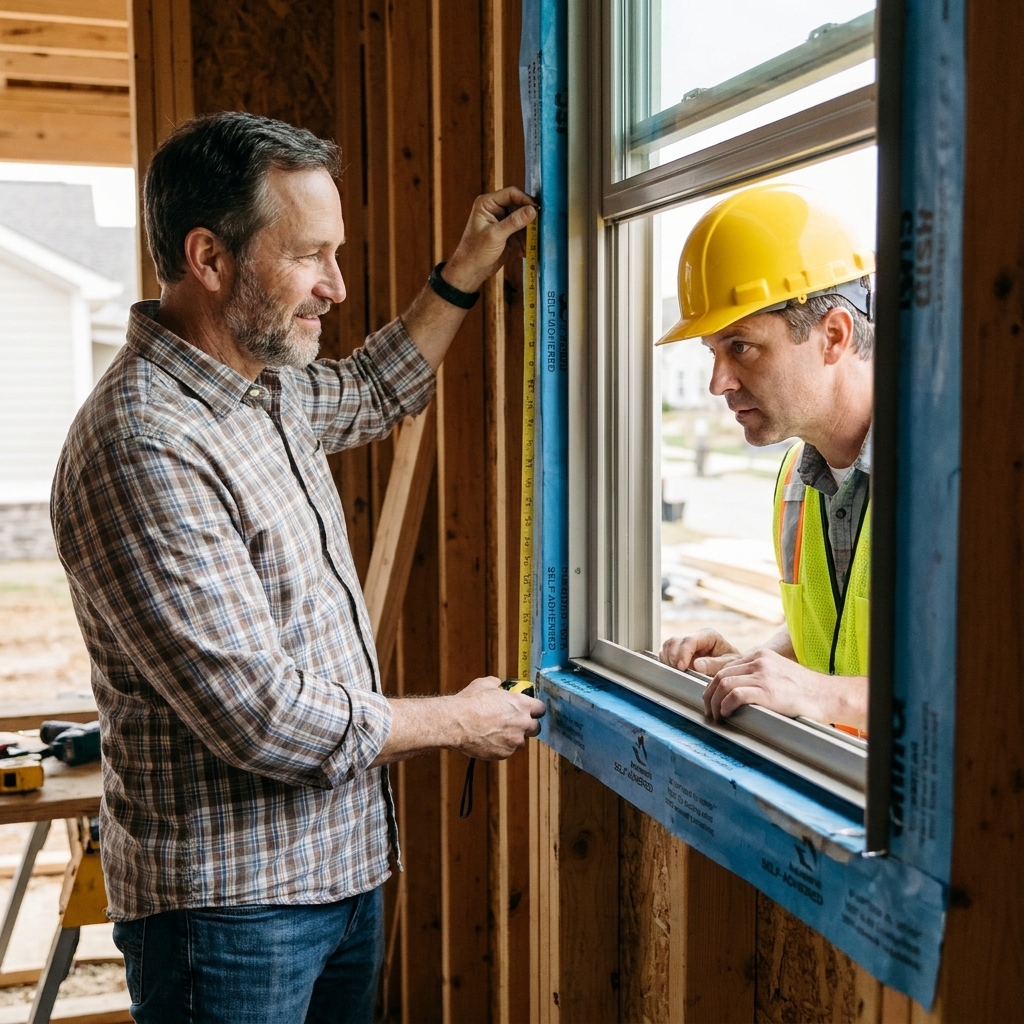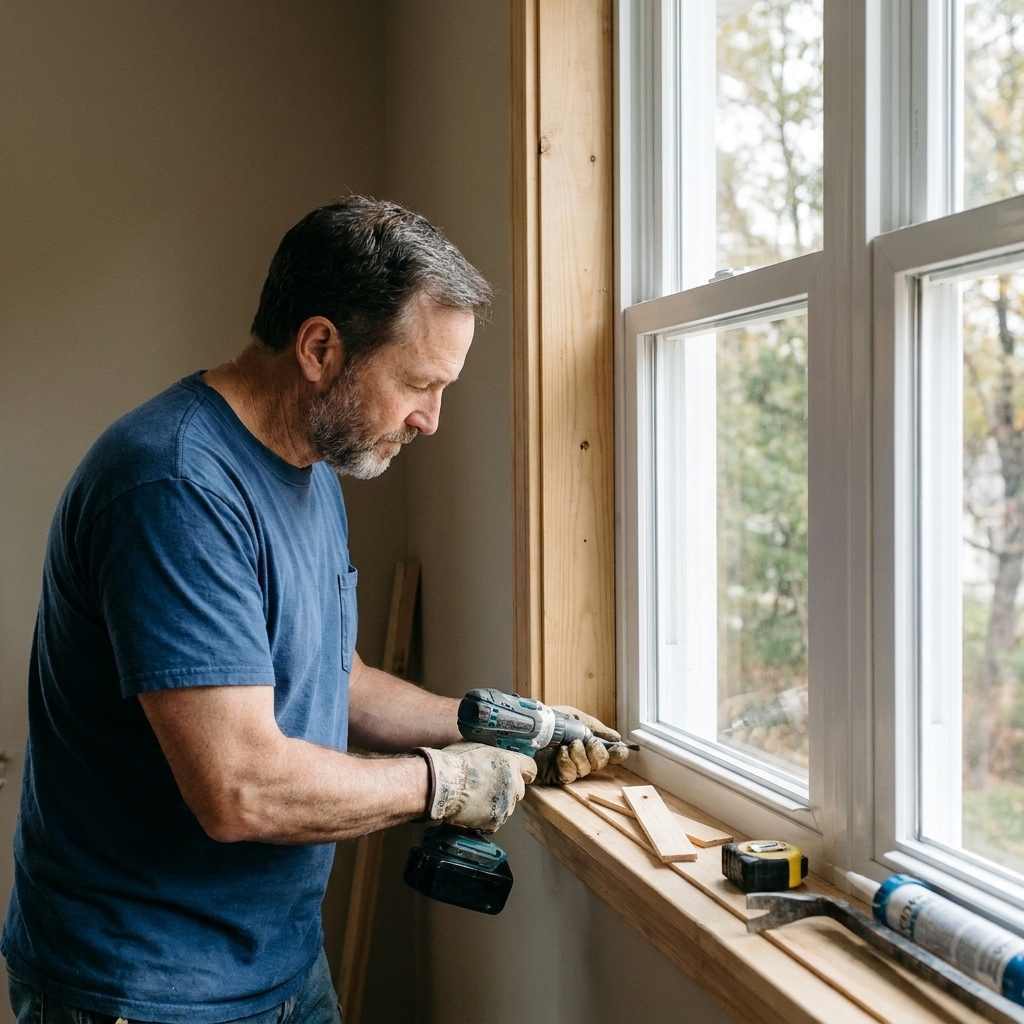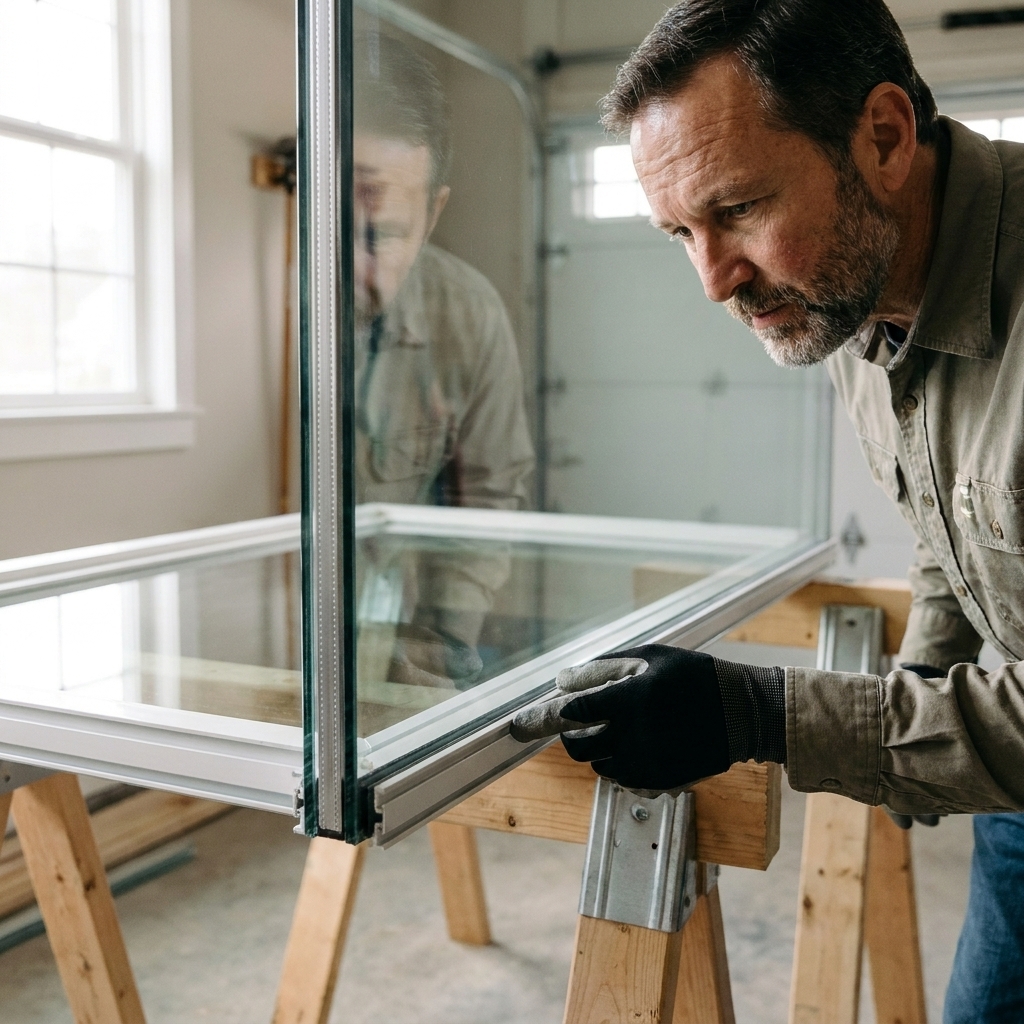

I learned the hard way that window replacement is not just a “buy decent windows and you are done” kind of project. When I bought my neglected 1970s split-level, the first quote I got sounded confident, moved fast, and glossed over details. That was my warning sign. Windows are one of those upgrades where the install quality matters as much as the product, and the contract details matter as much as the install.
This checklist is the set of questions I now use before I let anyone order a single window for my house. It is built to protect your budget, your schedule, and your walls.

How to use this checklist
- Ask all 10 questions with each contractor, even if someone came recommended.
- Write down the answers. If the contractor will not put it in writing, treat it like it was not promised.
- Compare apples to apples. Two quotes are not comparable if the window specs, install method, or warranty are different.
If you are still figuring out what type of replacement makes sense for your home and climate, start with our Window Replacement guide. It will help you walk into estimates with the right vocabulary without getting buried in jargon.
1) Are you licensed and insured for this work?
This sounds basic, but it is where a lot of homeowners slip up. You want proof of:
- State or local licensing (where required) for home improvement or glazing.
- General liability insurance (covers damage to your home).
- Workers’ compensation (covers injuries to their crew).
What to listen for: A pro should be able to show documentation promptly.
Extra step that is worth it: Ask for an insurance certificate and, if you want to be thorough, request that their agent sends it directly to you. If you get vague answers like “we are covered” or “we have a policy,” do not let it slide.
2) Employees or subcontractors?
Either can work, but you need to know who is actually showing up at your home, and who is responsible for quality control.
- If they use subs, ask how long they have used the same crews.
- Ask who supervises the job on site.
- Ask whether subs are covered under the same insurance and workmanship warranty.
My rule: I want one clearly named person who is accountable if something is wrong, not a phone tree.
3) What window spec are you quoting?
“Vinyl double-hung” is not a specification. A solid bid should identify the line and the key performance and build details. At minimum, ask for:
- Manufacturer, product line, and series
- Glass package (double-pane vs triple-pane, low-E coatings, gas fill)
- U-factor and SHGC ratings (energy performance)
- Spacer type (warm-edge spacers can help reduce edge-of-glass condensation risk, but indoor humidity, air leakage, and the overall window rating matter too)
- Reinforcement details (important for larger units)
If you are weighing materials long term, see our breakdown: Vinyl vs. wood replacement windows: cost and ROI.
4) Insert or full-frame, and why?
This is one of the biggest cost and outcome differences, and it should be chosen for your situation, not the contractor’s convenience.
- Insert replacement keeps the existing frame and installs a new window unit inside it. Faster, usually cheaper, slightly reduces glass area.
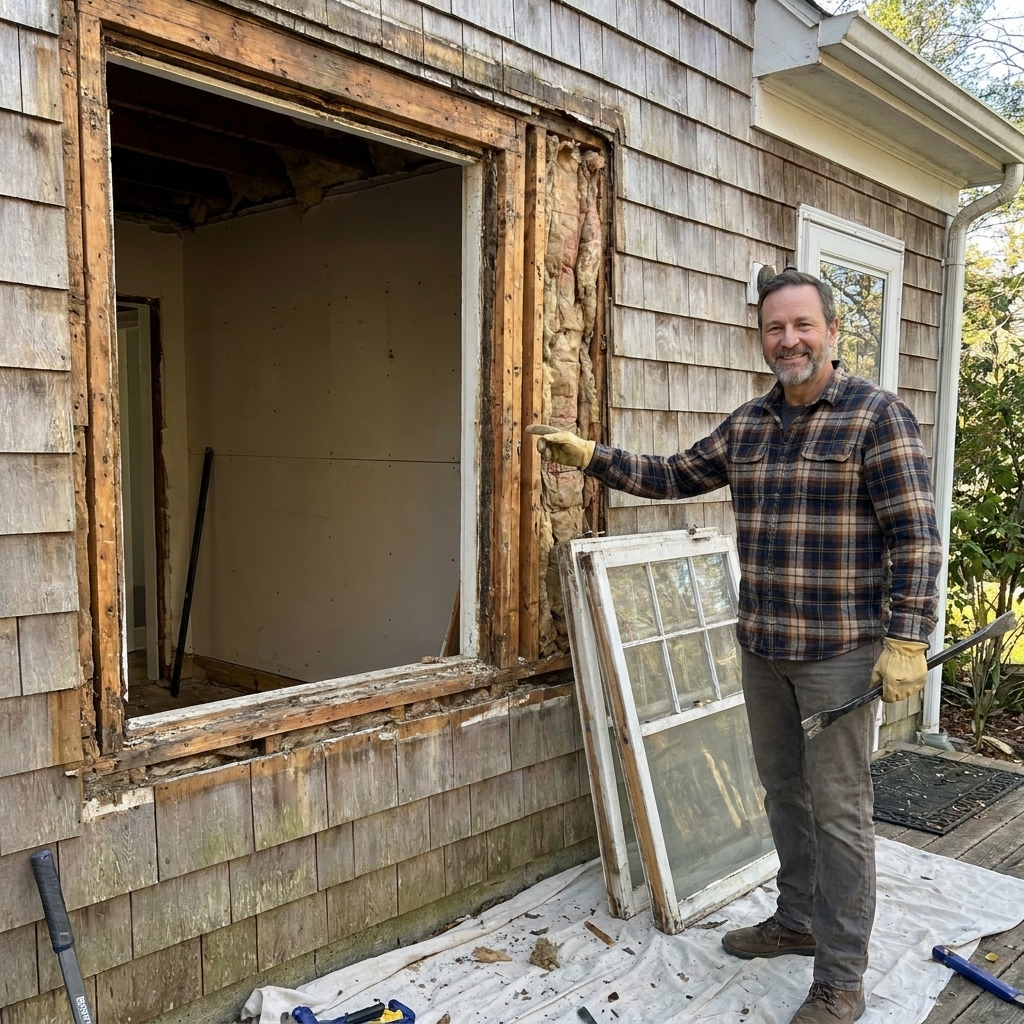
- Full-frame replacement removes the entire window, down to the rough opening. More labor, higher cost, best chance to fix rot, flashing issues, and insulation gaps.
Follow-up to ask: “What condition is my existing frame in, and how did you verify it?” A careful contractor will inspect for soft wood, water staining, and out-of-square openings.
5) What is your water management plan?
Windows do not just block wind. They have to manage water. I want to hear specifics about how they handle the top and sides of the opening, and how they avoid trapping water.
- Flashing approach (self-adhered flashing tape, proper layering)
- Housewrap integration when applicable
- Pan flashing or sill protection methods
- Sealant type and where they do and do not seal
Red flag: “We just caulk it really well.” Caulk is part of the system, not the system.
If your main issue right now is drafts, it can also help to understand the difference between quick fixes and true water and air sealing. This guide lays it out clearly: Weatherstripping vs. caulking for drafty windows.
6) What happens to trim and finishes?
One contractor’s “complete” is another contractor’s “window only.” Get clarity on what happens to everything around the window.
- Exterior: Will they remove and reinstall trim? Replace rotted trim? Touch up paint? Match siding channels?
- Interior: Will they repair disturbed drywall or plaster? Replace interior casing? Caulk and fill nail holes?
- Finish level: Are they leaving it paint-ready, or fully finished?
Tip: Ask for photos of their finished work on a house similar to yours, especially if you have older trim details.
7) Who pulls permits and follows code?
Permits are not just paperwork. In many areas they can help with resale and documentation, and they can trigger inspections that catch safety issues. Requirements vary by location and by the scope of the job, so a good contractor should be clear about what applies to your address.
- Ask who is responsible for pulling permits.
- Ask whether they will install safety glazing where required by local code (often near doors, in bathrooms, and in low glazing near the floor, but the exact rules depend on measurements and your code version).
- Ask about egress requirements in bedrooms if window sizes change.
If they say permits are “never needed,” that is not a good sign. Even if your jurisdiction does not require a permit for like-for-like window swaps, they should know how to confirm it and how they normally handle it.
8) What is the lead time and plan?
Window jobs can derail your routine fast if the schedule is fuzzy. Ask for:
- Ordering timeline and typical manufacturing lead time
- Start-date range (not just “sometime next month”)
- How many days on site and how many installers
- How they protect the home (drop cloths, dust control, moving furniture)
- Weather plan if an opening is exposed
Practical detail I always ask: “How many windows will you remove at once?” I prefer a crew that works one opening at a time, especially during cold or rainy seasons.
9) What warranties do I get?
This is where you separate a strong contractor from a smooth talker. You typically have two different warranties:
- Manufacturer warranty (often covers certain window components, and may cover things like hardware or glass seal failure, but the details vary a lot by brand and product line)
- Workmanship warranty from the installer (covers installation defects like leaks, air infiltration, or operational issues caused by the install)
Ask these follow-ups:
- “Is the manufacturer warranty transferable if I sell?”
- “What situations void the warranty?”
- “If something leaks, do you handle it, or do you tell me to call the manufacturer?”
- “Do you provide warranty terms in writing with the contract?”
One more that saves headaches: “Are you certified by the manufacturer to install this line, and does that affect warranty eligibility?” It is not always required, but when it is, you want it on record.
10) What is included, and what changes price?
Before you sign, you should be able to point to a line item and say, “Yes, that is covered.” Ask for a written scope that includes:
- Window quantity and sizes (and what happens if field measurements differ)
- Installation type (insert vs full-frame)
- Flashing and insulation method
- Interior and exterior trim work included or excluded
- Disposal of old windows and debris
- Lead paint safety practices if your home was built before 1978
- Payment schedule (deposit, progress payments if any, final payment timing)
- Change order process (how surprises are priced and approved)
Two specifics I like to hear: (1) whether they use low-expansion foam, backer rod, or another approach to air-seal and insulate the gap, and (2) how they prevent over-foaming that can bow frames.
My personal line in the sand: I do not like open-ended “as needed” language without a clear hourly rate or a not-to-exceed cap for hidden damage repairs.
Red flags I do not ignore
- They will not specify the exact window product line in writing.
- They pressure you with “today only” pricing or refuse to leave a quote behind.
- They dismiss water management details and talk only about caulk.
- They ask for full payment up front.
- They cannot clearly explain who handles warranty calls and repairs.
How to compare two contractors
If you are torn between two bids, compare them across the same categories:
- Product: same series, same glass package, similar performance ratings
- Method: insert vs full-frame, insulation and flashing approach
- Scope: trim, repairs, disposal, permits
- Protection: dust control, one-opening-at-a-time workflow
- Warranty: workmanship length, manufacturer support, what is excluded
The lowest number is not the best value if it buys you a leaky installation or a warranty runaround.
One extra step: references you can verify
Instead of “Do you have references?”, ask:
- “Can you share two recent window replacement clients from the last 6 to 12 months?”
- “Can you share one job from 2 to 5 years ago so I can ask how things held up?”
When you call, keep it simple: Did they show up when they said they would? Was the home left clean daily? Any leaks or sticking sashes after the first big storm or seasonal temperature swing? Did they come back quickly if something needed adjustment?
My takeaway after living through it
If you remember nothing else, remember this: a good window can still perform badly with a sloppy install. The contractor who is willing to talk details, put them in writing, and explain their water-management plan is usually the one you can trust with your openings.