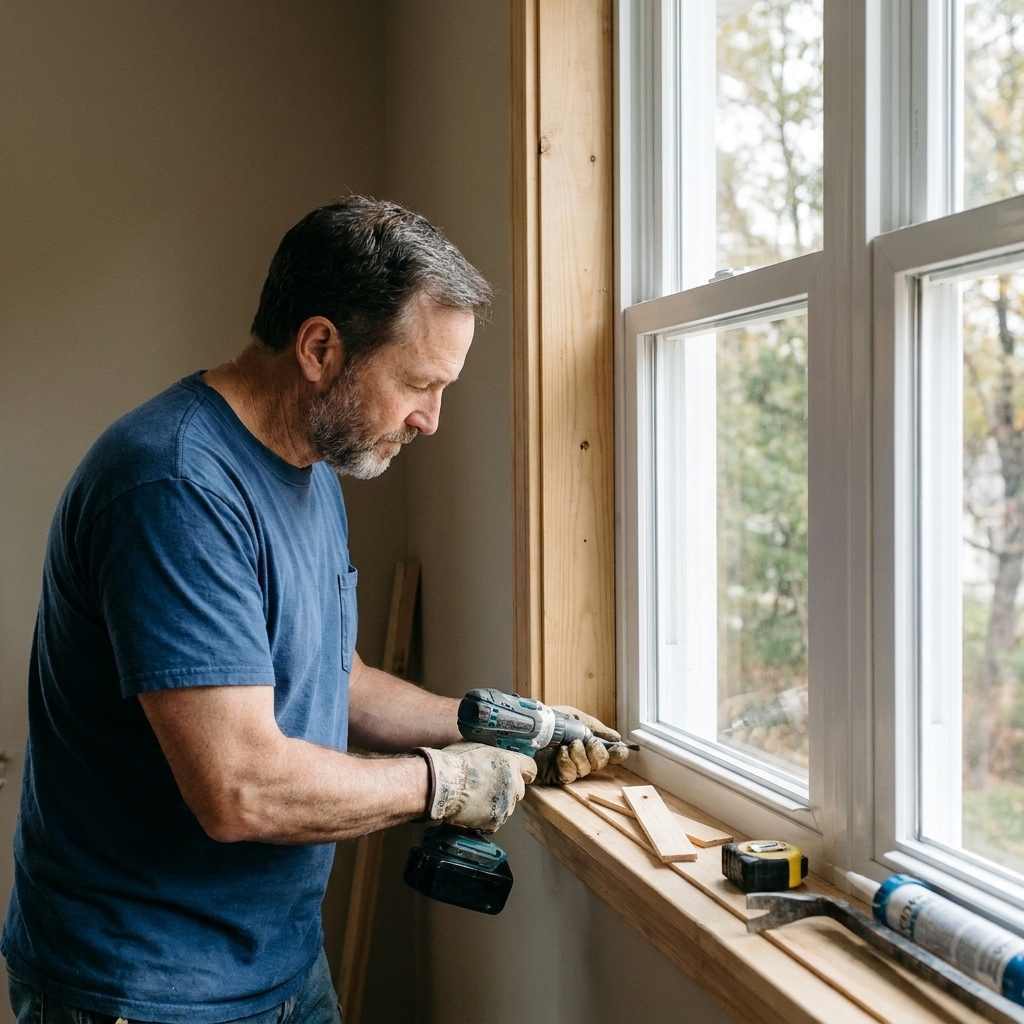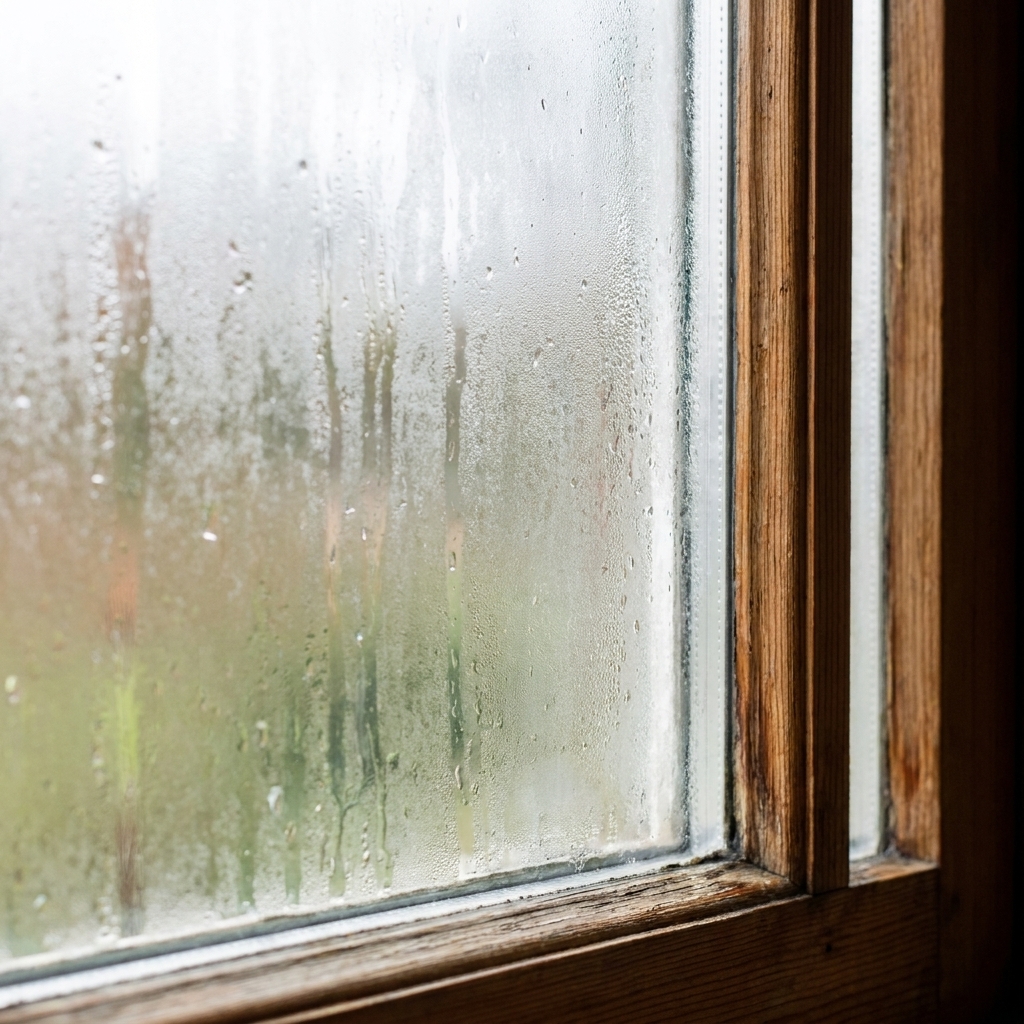

I still remember the first winter in my 1970s split-level. The windows looked fine at a glance, but the living room had that steady “cold waterfall” feeling near the glass. I did the usual DIY triage first, weatherstripping, caulk where it actually belonged, and a little humility where it didn’t. But when it came time to replace a couple of failed units, I kept hearing the same buzzwords: Low-E and argon-filled.
If you’ve been wondering whether those upgrades are real performance or just sales-flavor, here’s the plain-English breakdown of the science, the specs that actually matter, and how to decide if it’s worth your money.

What Low-E glass is
Low-E stands for low emissivity. In normal-people terms: it’s a microscopically thin coating on the glass that helps control heat transfer by reflecting certain wavelengths of infrared energy.
Heat moves through a window in a few ways. Low-E mainly targets radiant heat, the “sun on your face” kind of heat. But conduction through the glass, spacer, and frame still matters too, which is why the whole window package (glass plus frame plus install) is what you feel in real life.
Summer vs. winter
- In hot climates, many Low-E coatings are tuned to reflect solar heat away so your air conditioning does not spend all afternoon losing an argument with the sun.
- In cold climates, Low-E helps reflect indoor heat back inside, reducing that chilly glass feeling and cutting heat loss.
Important note: not all Low-E is the same. “Low-E” is a category, not a single product. Two windows can both be “Low-E” and still behave differently.
Argon gas: what it does
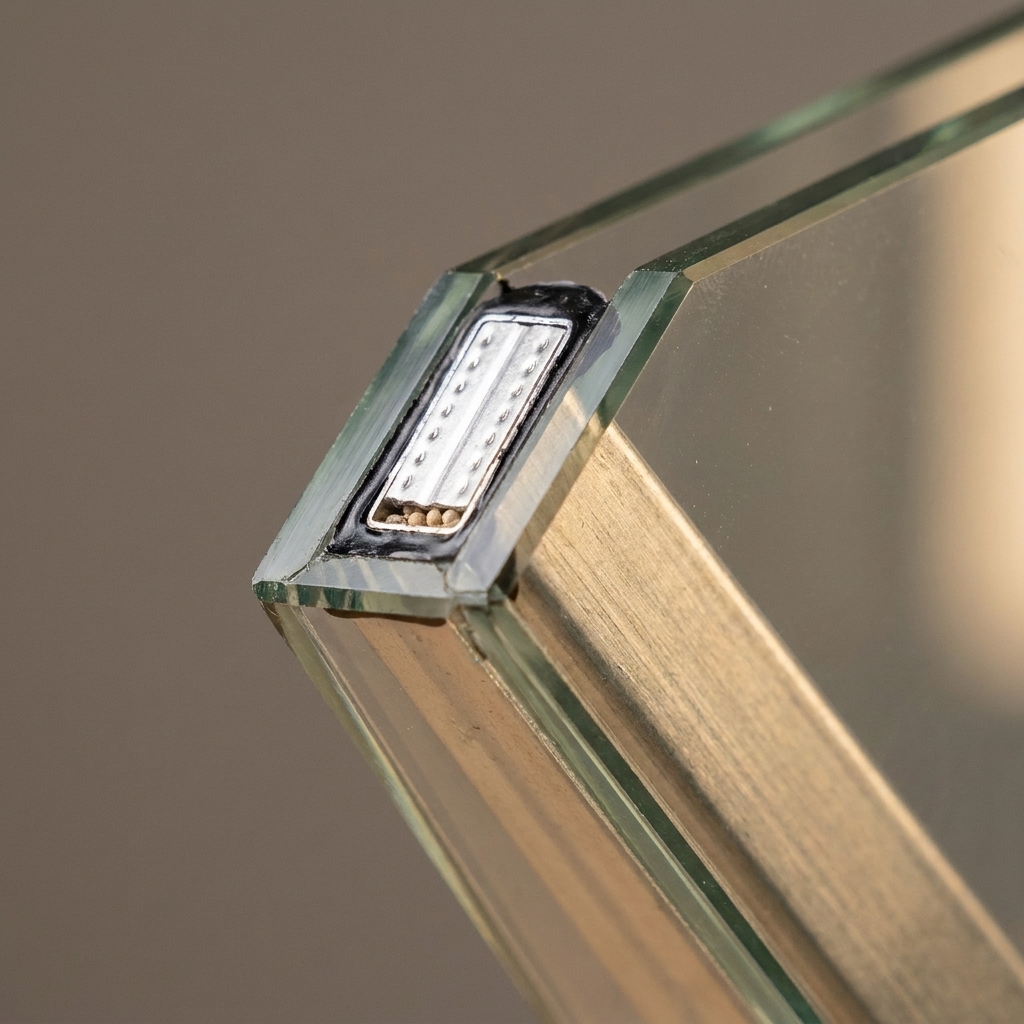
Most modern replacement windows use insulated glass units (IGUs), basically two panes (sometimes three) with a sealed space between them. That space can be filled with regular air, or with an inert gas like argon (sometimes krypton in higher-end packages).
Argon’s job is simple: slow down heat transfer across that sealed gap.
- Because argon has lower thermal conductivity than air, it can reduce conductive heat transfer across the cavity.
- It also helps reduce convection in the gap (those little looping air currents that move heat from the warm side to the cold side).
What argon does not do: it does not fix a leaky frame, a poorly shimmed install, or a draft coming from missing insulation around the opening. If your window is losing air around the edges, you are paying to improve the glass while ignoring the bigger problem.
If you suspect drafts, start with basics. I walk through the “seal first, replace second” mindset in Weatherstripping vs. Caulking for Drafty Windows.
The ratings that matter
If you only remember one thing from this article, make it this: don’t buy “Low-E and argon” as a phrase. Buy the performance numbers that match your climate and comfort goals.
Practical example: in Phoenix, you might lean toward lower SHGC to cut solar heat gain. In Minneapolis, you might prioritize a lower U-factor to reduce winter heat loss and that cold-glass feeling.
U-factor (heat loss)
U-factor measures how readily a window loses heat. Lower is better. If you live where winters bite, this one matters a lot.
SHGC (solar heat gain)
SHGC measures how much of the sun’s heat passes through. Lower typically helps in hot, sunny climates. Higher can help in cold climates if you want free winter sun, but it depends on orientation, overhangs, and shade trees.
VT (visible light)
VT is how much visible light gets through. Higher usually means a brighter interior, but it can trade off with solar control depending on the coating.
Air leakage (drafts)
One more thing people miss: drafts are mostly an air leakage problem, and the NFRC label is not the whole story there. Some window lines publish an air leakage (AL) rating from ASTM testing, and some do not. Either way, real-world draftiness still comes down to weatherstripping condition, frame design, and installation air sealing.
Most reputable windows list U-factor, SHGC, and VT on the NFRC label. If you want to sanity-check what those ratings mean, NFRC is the standard-setting body: https://www.nfrc.org/.
Are Low-E and argon worth it?
Often, yes. But “worth it” depends on what you’re upgrading from, how your home is built, and whether you’re solving the right problem.
Usually worth it
- You’re replacing failed double-pane glass (fogging, seal failure). If you are buying new IGUs anyway, stepping up to Low-E and argon is commonly a sensible value.
- Your rooms overheat from sun exposure (big west-facing glass). A Low-E package with the right SHGC can noticeably reduce afternoon heat load.
- You have comfort complaints near the window (cold glass, radiant chill). Lower U-factor glass can make the “sit by the window” zone feel livable again.
- You care about fading. Many Low-E coatings reduce UV transmission, but the amount varies by coating and glass build. Laminated glass can also play a role, so do not assume all “Low-E” blocks UV the same way.
Maybe not worth it
- Your real issue is air leakage from gaps around trim, old weight pockets, or poor installation. Fix air first. Glass upgrades do not stop a breeze.
- You’re in a mild climate and your existing windows are in good shape. Payback can be slow if heating and cooling loads are small.
- Your home has bigger efficiency holes (attic insulation, duct leaks). A window upgrade can be the most expensive place to buy a small improvement.
One practical way to think about it: comfort payback is often faster than utility-bill payback. If a room becomes usable instead of avoided, that’s real value, even if your electric bill only budges a little.
Picking the right Low-E
Low-E coatings come in different “flavors,” and manufacturers brand them differently. Instead of chasing brand names, decide what you want the window to do.
If summer heat is the problem
- Look for a lower SHGC.
- Prioritize solar control over maximum VT, especially on west-facing windows.
If winter chill is the problem
- Look for a lower U-factor.
- Do not automatically pick the lowest SHGC. In some cold climates, a moderate SHGC on sunny exposures can help.
Why two Low-E windows can feel different
Even within the same brand, details matter. The type of Low-E (solar-control vs. more “passive” winter-friendly coatings) and even where the coating sits inside the IGU (often described as a surface number) can change how the glass handles solar gain and interior comfort. That is another reason to shop the ratings, not the buzzwords.
If condensation is the issue
Better glass can help, but condensation is a whole-house moisture and temperature story. If you see sweating in winter, I’d read Why Windows Sweat in Winter and How to Stop It before you assume you need new windows.
Common myths
Myth: “Argon leaks out quickly.”
Quality IGUs are built to retain gas for a long time, but retention rates vary by manufacturer and the seals are the deciding factor. Over many years, some gas loss can happen, especially after seal degradation. The bigger takeaway is simple: seal quality and manufacturing matter more than the marketing label on the order form.
Myth: “Low-E makes windows dark.”
Some coatings reduce visible light more than others. But modern Low-E can be quite clear. Use the VT rating to avoid surprises if brightness is important.
Myth: “Energy glass fixes drafts.”
Drafts are air movement. Glass upgrades mainly address radiant and conductive heat transfer through the glazing. If air is coming around the unit, that is a separate fix involving air sealing, insulation, and weatherstripping.
Installation matters
I’ve seen great windows perform poorly because the install was sloppy. Even the best Low-E argon unit can’t overcome:
- Uninsulated gaps between the window and framing
- Missing or incorrect flashing
- Over-foaming that bows the frame
- Poor shimming that causes binding and air leaks
If you’re planning a replacement project, it helps to understand the bigger process and terminology. Our Window Replacement guide is a good starting point.
Quick checklist
- If you are replacing windows anyway, Low-E plus argon is typically a smart baseline upgrade.
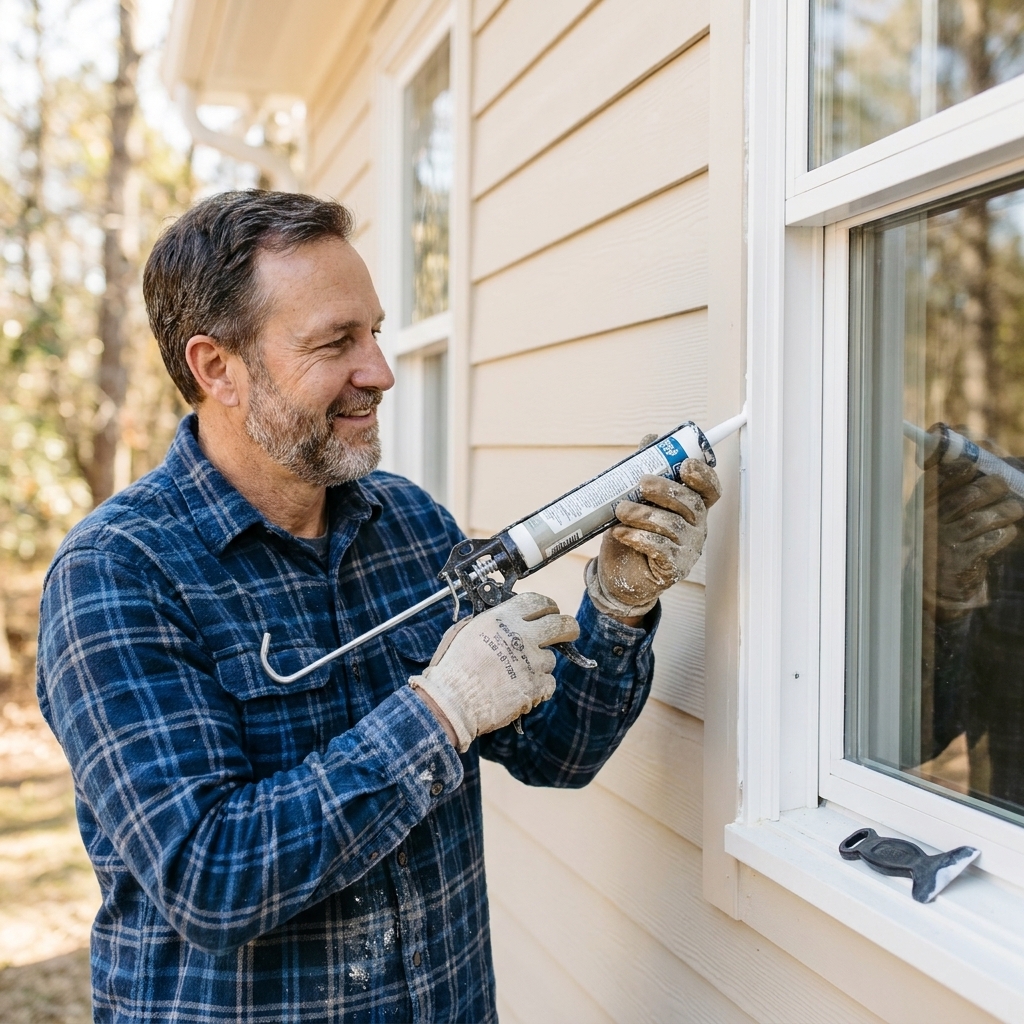
- If your windows are functional but drafty, try sealing first and confirm where the air is coming from.
- Use the NFRC label numbers (U-factor, SHGC, VT) to match the window to your climate and exposures.
- Ask about air leakage if drafts are your main complaint, and prioritize weatherstripping and installation air sealing.
- Prioritize install quality as much as the glass package.
FAQ
Does triple-pane always beat double-pane with Low-E and argon?
Not automatically. Triple-pane can improve U-factor and comfort, but the performance depends on the coating package, gas fills, spacer design, and frame. In some homes, a high-quality double-pane Low-E argon window is the best value.
Is krypton better than argon?
Krypton can perform better in narrower gaps and some premium designs, but it usually costs more. For many standard residential windows, argon is the common sweet spot.
Can I add Low-E after the fact?
Not as a coating on the existing glass in a typical home setting. If you want an “aftermarket” option, privacy and solar films exist, but they are a different product category with different durability and warranty considerations. If you’re looking at films for privacy specifically, see Installing Frosted Window Privacy Film.