

I learned this lesson the slow way in my 1970s split-level. I kept “fixing” the same window problems over and over: a bead of caulk here, a little weatherstripping there, a sticky sash I swore I’d address next weekend. It worked until it didn’t. At some point, the window is not a project anymore. It’s a liability.
If you’re on the fence, these are the seven signs I consider deal-breakers. A couple of them can be repaired. But when you’re seeing multiple signs at once, window replacement usually becomes the smarter, cheaper-in-the-long-run move.
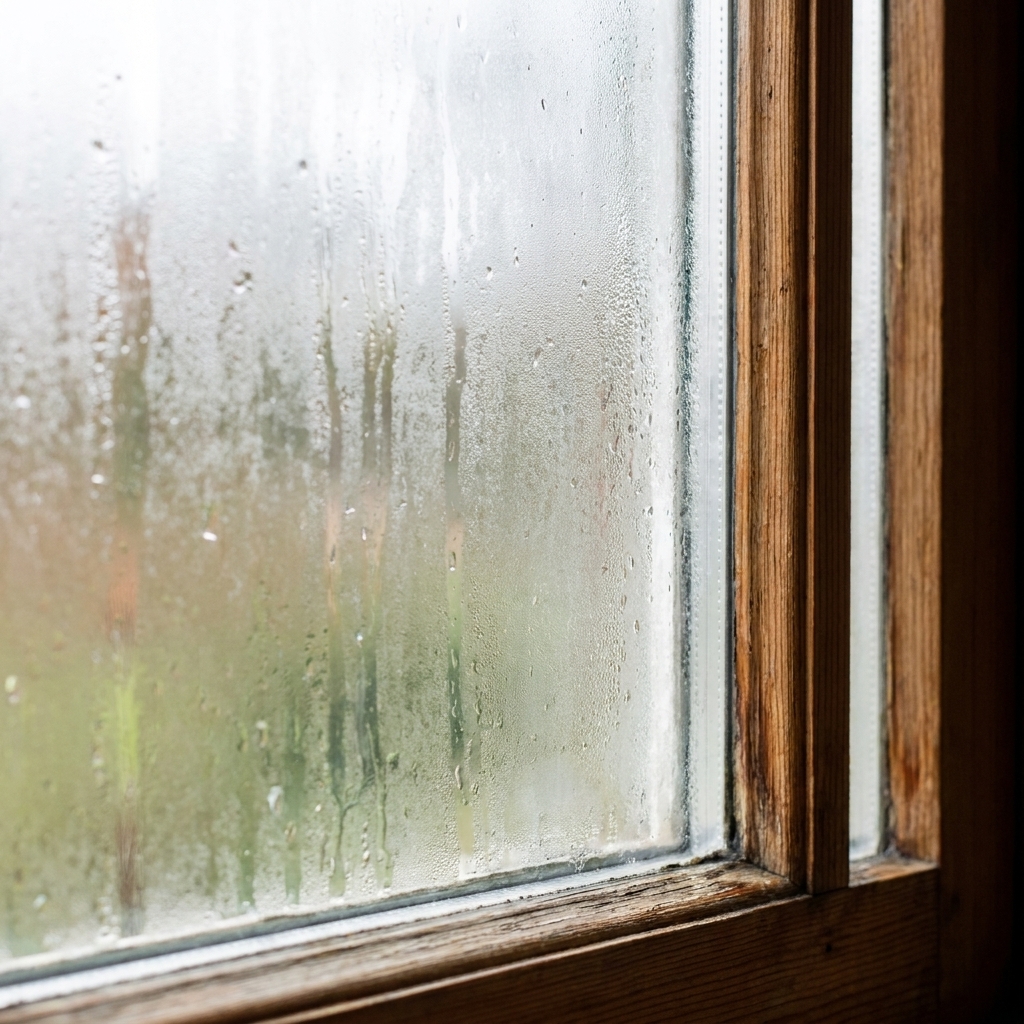
1) Fog or moisture between the panes
If you have double-pane or triple-pane windows and you’re seeing fogging, haze, or water droplets inside the glass unit (not on the room side), the seal has failed. That sealed space is supposed to hold insulating gas and stay bone-dry. Once it’s breached, the window’s insulation value drops and the glass often looks permanently dirty.
How to confirm it
- Clean both sides of the glass. If the “fog” stays, it’s inside the unit.
- Look for a milky ring around the edges of the glass, another common seal-failure clue.
In some cases, you can replace just the insulated glass unit, but when the frames are older or in rough shape, full replacement tends to be the cleaner solution.
2) Soft wood, rot, or recurring paint failure on the frame
Peeling paint by itself is not a replacement sentence. But paint that keeps failing in the same spots can be a sign that water is getting into the frame, sill, or trim. If wood feels soft, spongy, or crumbly, that’s rot, and rot spreads.
Quick DIY check
- Use a screwdriver to press gently into the sill and lower corners of the frame. Solid wood resists. Rot gives.
- Look underneath the sill edge for dark staining or punky wood.
Minor, localized damage can sometimes be repaired with epoxy and proper flashing. But widespread rot usually means the window has been leaking for a while, and replacement is often the most reliable reset.
3) Drafts you cannot eliminate with normal sealing
A little air movement around older windows can often be improved with weatherstripping and careful caulk work. The problem is when you’ve done the basics and the room still feels like a tent in January.
If you are not sure whether your next move should be caulk or weatherstripping, I break that down here: Weatherstripping vs. Caulking for Drafty Windows.
Replace is more likely when
- Air is coming through the frame or sash, not just around the perimeter.
- The window is visibly out of square or the meeting rails no longer align.
- You can feel cold air even after new weatherstripping is installed correctly.
4) Your energy bills are rising and comfort is getting worse
Windows are not the only factor in heating and cooling costs, but they are a common weak link, especially if you have older single-pane units or failed double-pane seals. If you’ve noticed:
- Rooms that are consistently colder or hotter than the rest of the house
- HVAC running longer cycles to keep up
- Higher bills with similar weather compared to past years
…it’s worth evaluating windows as part of the whole envelope. Even if you plan to replace later, you can reduce discomfort now by addressing obvious gaps and condensation issues. If winter moisture is part of your story, start here: Why Windows Sweat in Winter and How to Stop It.
5) The window is hard to open, won’t stay up, or won’t lock
Sticking sashes can be a paint issue, swelling from moisture, or failing hardware. But when windows are consistently difficult to operate, it’s more than an annoyance. It’s also a safety concern. In an emergency, you want windows that open without a wrestling match.
When repair might still make sense
- A painted-shut double-hung that simply needs to be freed and cleaned up
- A single broken latch or balance that can be replaced
If you suspect paint or swelling is the culprit, this step-by-step may help: How to Unstick a Painted or Swollen Double-Hung Window.
When replacement is more likely
- The frame is warped and the sash no longer fits correctly
- Locks will not engage because the window has shifted
- You have multiple windows with the same failure, not just one troublemaker

6) Outside noise seems louder than it used to
If your house suddenly feels louder, don’t ignore it. Worn weatherstripping, gaps in the frame, and failed seals can all let in more sound. Single-pane windows and older aluminum frames are also notoriously poor sound blockers.
You can improve things a bit with sealing and curtains, but if the glass unit seal is gone or the window has gaps you cannot truly close, replacement is the real fix. As a bonus, the same improvements that help with sound usually help with comfort, too.
7) You’re dealing with repeated water intrusion or staining around the window
Water is the one I take most seriously because it rarely stays “small.” If you see staining on drywall, bubbling paint, soft trim, or wet spots on the sill, you have a leak somewhere.
Important note
Not every leak is the window’s fault. Sometimes it’s failed caulk, missing flashing, siding issues, or a roof problem above. But when leaks keep coming back after reasonable repairs, or when the window frame itself is deteriorating, replacement becomes the safer bet.

How to decide: repair, glass-only replacement, or full window replacement
Here’s the rule of thumb I use in my own house: the more the problem involves the structure (frame, sill, squareness, rot), the more you should lean toward full replacement.
Repair is usually reasonable when
- You have drafts but the window is solid and square
- Hardware is failing but the frame is in good condition
- Condensation is mostly a humidity and airflow issue
Full replacement is usually reasonable when
- You have rot, soft wood, or recurring water damage
- Multiple windows have failed seals or chronic fogging
- Windows do not operate safely or no longer lock reliably
- You have tried the common fixes and the issues return every season
If you’re in planning mode, the Window Replacement guide is where I’d start to get your bearings on options and process.
Questions I hear a lot
How long do home windows typically last?
It depends on materials, installation quality, sun exposure, and maintenance. Instead of chasing an exact number, focus on performance: seals, operation, water tightness, and comfort. Those tell the truth faster than a calendar does.
Is foggy glass an emergency?
Usually it’s not dangerous, but it is a sign the unit is no longer insulating as designed. If it’s paired with drafts or moisture damage around the frame, bump it up your priority list.
Can I just replace one or two windows?
Absolutely. If one side of your house gets hammered by weather, those windows may fail first. Just keep in mind that mixing styles and glass tints can look odd from the curb, so plan your “patchwork phase” with the long game in mind.
A quick final gut-check
If you’re seeing two or three of the signs above on the same window, you’re probably past the point of weekend fixes. Replacement is not the fun answer, but it can be the calm answer. Less noise, fewer drafts, easier operation, and one less thing on your to-do list every time the weather turns.
If you want more step-by-step home maintenance help, you can browse the full Window DIY guide or head straight to Window Replacement for planning and decision-making.