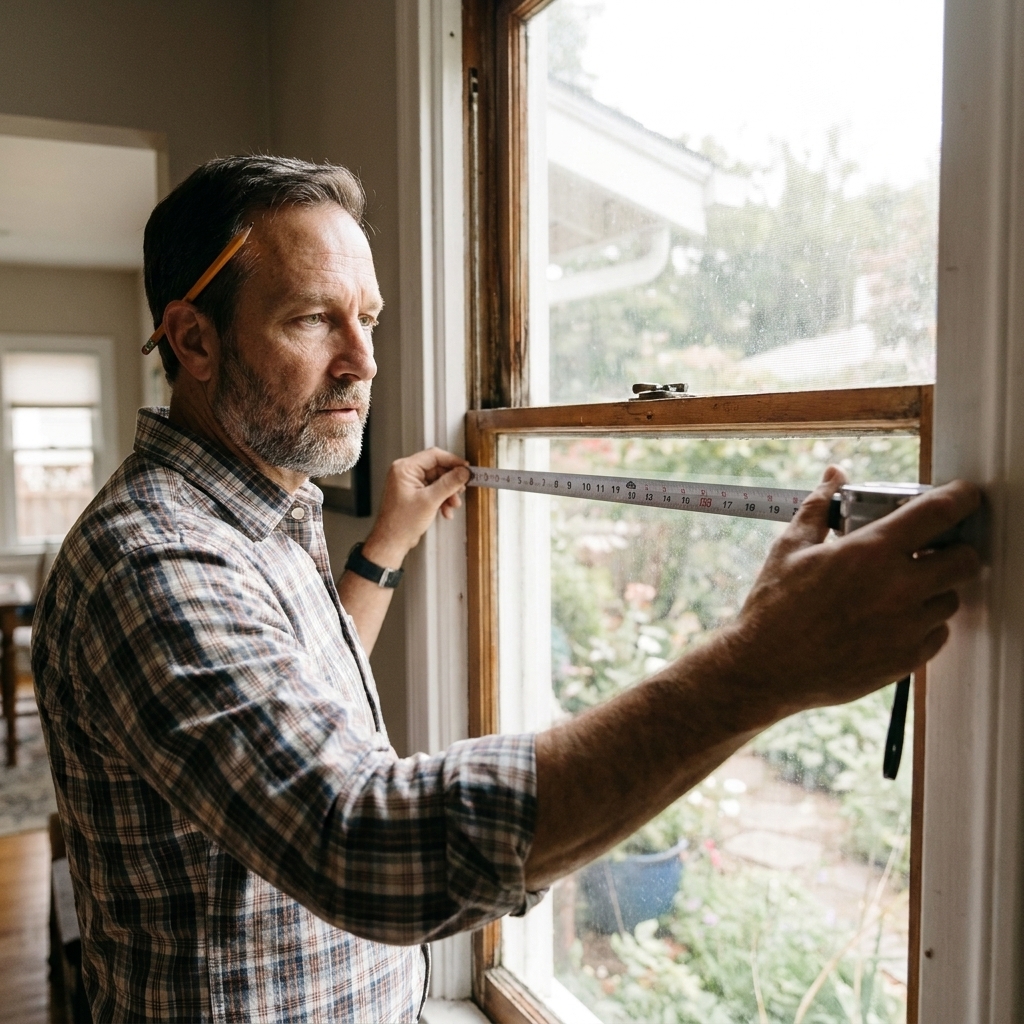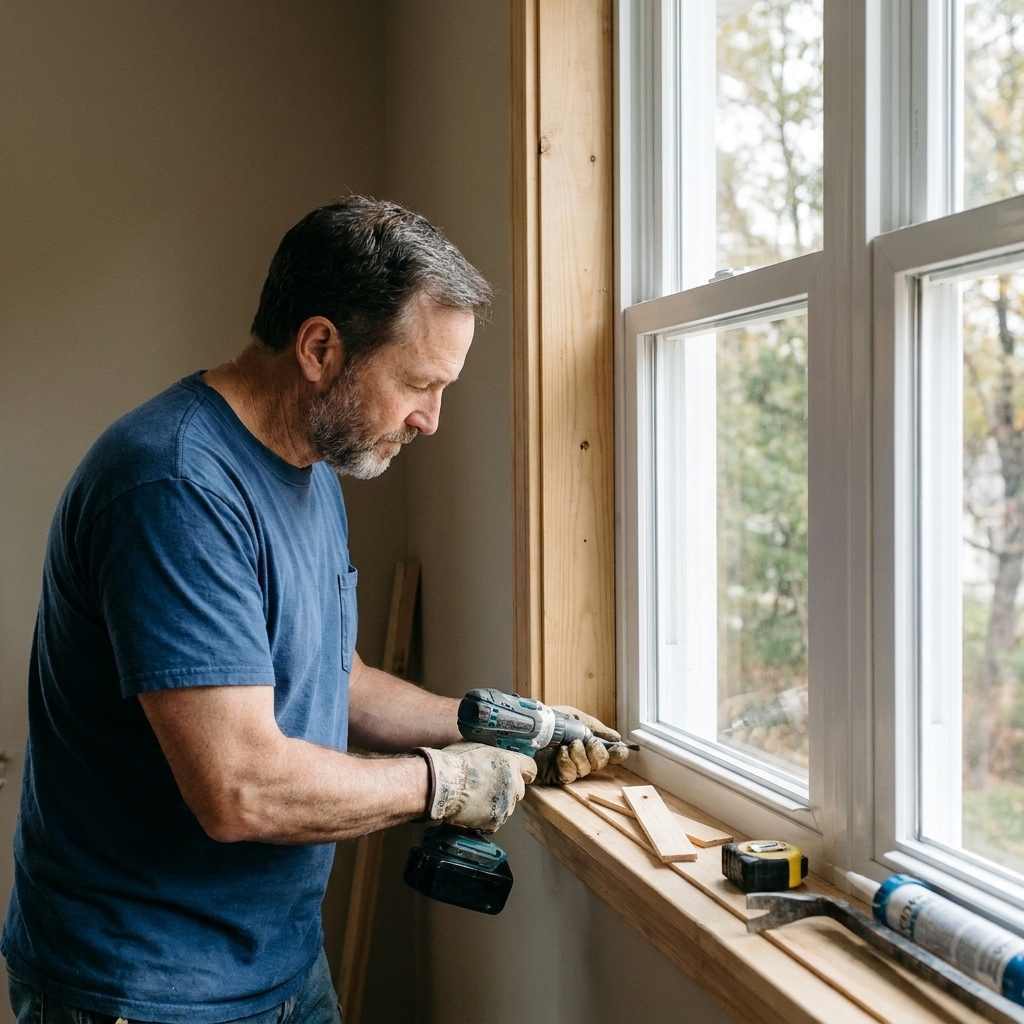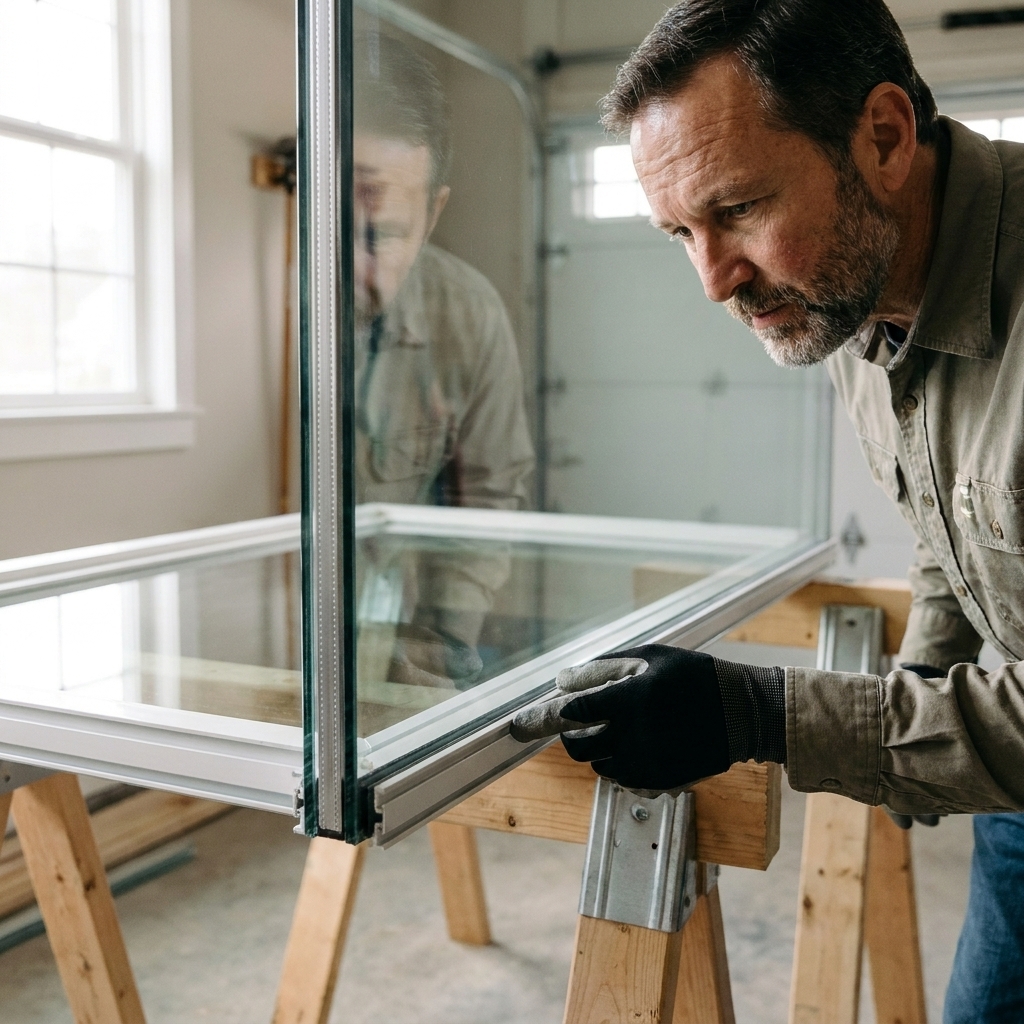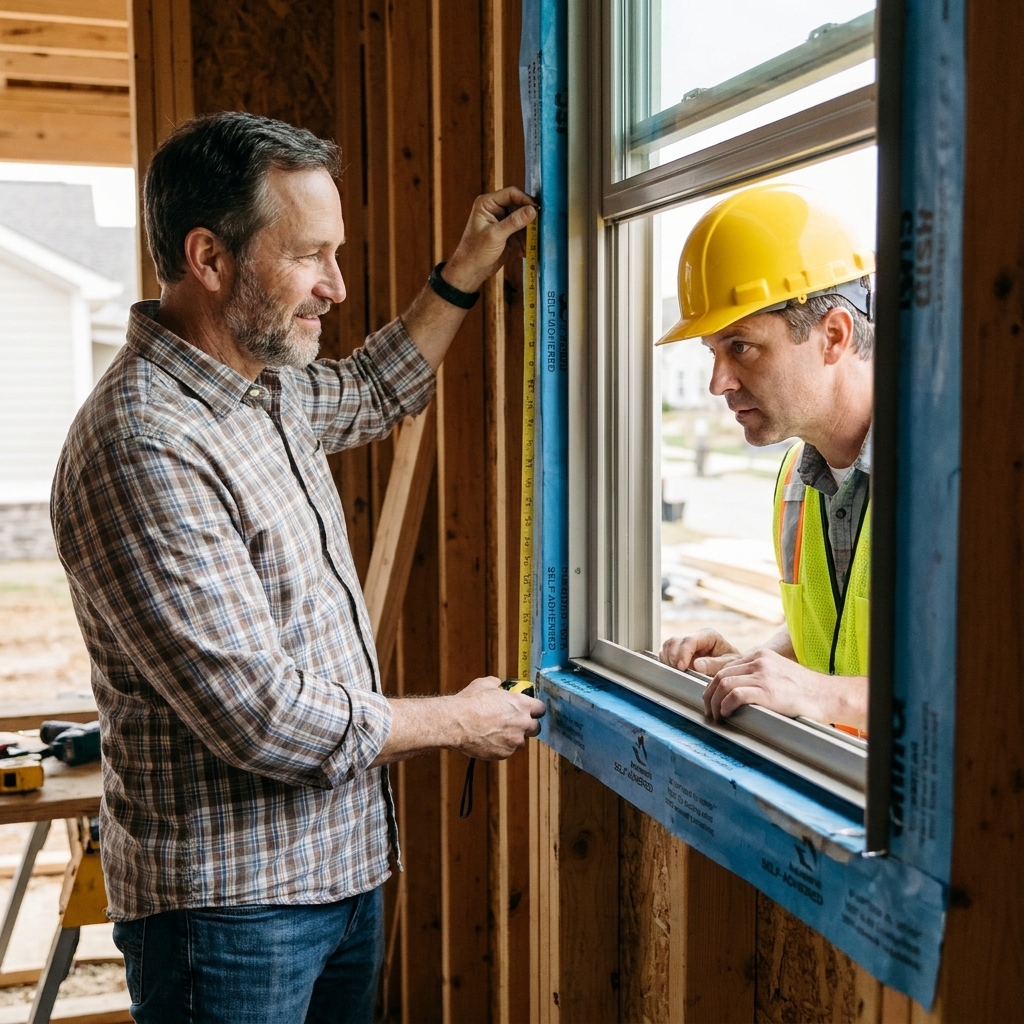

I have replaced enough windows in my own 1970s split-level to learn one thing the hard way: the “best” window style depends on the room, the breeze, and how you actually live in the space. Casement and double-hung windows are two of the most common replacement choices in a lot of U.S. homes for a reason. They both work, they just work differently.
Below is how I break down casement vs. double-hung when friends ask me what to buy, with a focus on ventilation, security, and how each style changes the look of a home.
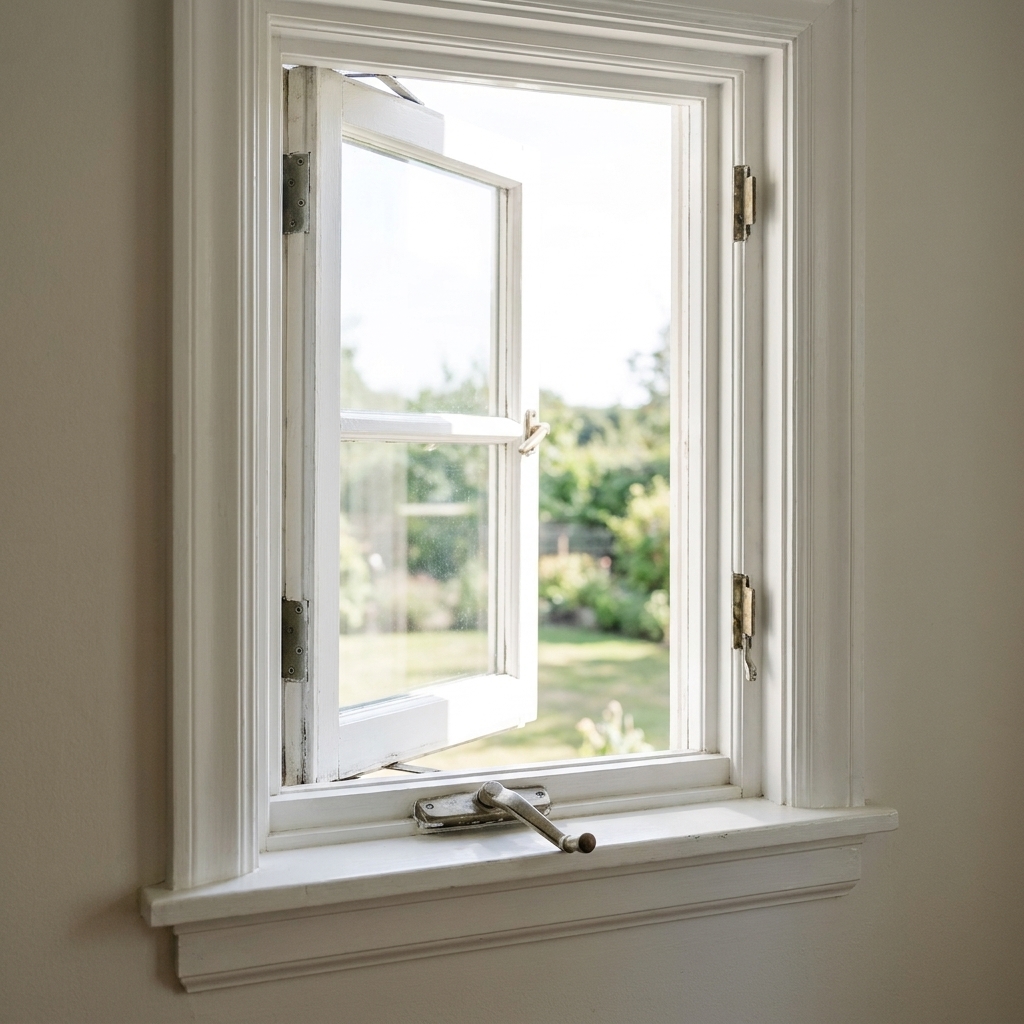
The quick difference
Casement windows are hinged on the side and swing outward like a door, usually operated with a crank.
Double-hung windows have two sashes (top and bottom) that slide up and down within the frame. In some lower-cost product lines, the top sash may not move, which is technically a single-hung.
If you only remember one thing, remember this: casements “catch” air and seal by compression; double-hungs “slide” and ventilate by opening from the top, bottom, or both.
Ventilation: who moves more air?
Casement: best for pulling in a breeze
Casements tend to win on pure airflow. Because the sash swings outward, you can angle it to act like a little scoop and direct breezes into the room. In practice, that can be a noticeable difference in a stuffy upstairs bedroom at night or a kitchen where you want odors out fast.
- Great for cross-breezes: Especially when you can open two casements on different walls and “steer” airflow.
- Large clear opening: A casement can open a larger portion of the frame than a double-hung, so you are not leaving a fixed sash in the way.
- Works well over sinks: The crank is easy to reach compared to lifting a sash, which matters when a faucet is in the way.
Double-hung: most flexible everyday ventilation
Double-hungs shine when you want options. You can crack the bottom sash for quick air, or open the top sash to vent warm air without creating a draft at couch level.
- Top-down ventilation: Helpful for releasing heat that collects near ceilings.
- Kid and pet friendly airflow: Opening from the top can feel safer in homes with little ones or curious pets.
- Easy “set and forget” crack: Many people like being able to lift the bottom sash an inch and call it good.
My rule of thumb: If the room feels stale often, or you rely on natural breezes, casement is usually the better mover of air. If you want controlled everyday venting and like the top-sash option, double-hung is hard to beat.
Security: locks, leverage, and weak points
Casement: strong lock and strong seal when closed
A closed casement presses against the frame with a compression seal. That seal helps with drafts and makes it harder to “wiggle” the sash. Many casements also lock at multiple points along the frame, and multi-point locking is often available depending on the model and options.
- Pros: Compression seal plus solid locking can be very secure.
- Watch-outs: An open casement is a lever in the wind and can be stressed if it is left open during storms. Also, screens are usually on the inside, which is nice for screen longevity but means you will see screens more clearly from indoors.
Double-hung: secure when maintained, but relies on fit
Double-hungs lock at the meeting rail where the two sashes overlap. A quality unit with tight tolerances is secure, but older or poorly installed windows can develop play that makes locks less effective until adjusted.
- Pros: Simple lock points and fewer “moving outward” parts, plus they avoid clearance issues in tight exterior spaces.
- Watch-outs: If sashes get loose or the frame shifts, security and draft control can suffer until corrected.
Security note I give everyone: Whatever style you choose, installation quality matters as much as hardware. A great window installed out of square will never feel right. If you are still debating whether your current windows truly need replacement, start with 7 Signs It’s Time to Replace Your Home’s Windows.
Aesthetics: how each style changes your home’s look
Double-hung: classic lines and familiar proportions
Double-hungs read “traditional” in most neighborhoods, especially on Colonial, Cape, farmhouse, and many split-level homes. The horizontal meeting rail creates that familiar two-sash look, and many grids and trim styles pair naturally with it.
- Best for: Traditional curb appeal, historical vibes, matching existing double-hungs.
- Inside the room: The sash frames can be a little busier visually than a casement, especially with grids.
Casement: cleaner glass and a slightly more modern feel
Casements often have a more open, uninterrupted look because there is no horizontal meeting rail cutting the view. Even in a traditional house, a casement can look great if the proportions match the openings and the grid pattern fits the style.
- Best for: Contemporary or transitional exteriors, scenic views, places where you want maximum glass.
- Inside the room: The crank is visible, which some people like and others do not. Hardware finish helps a lot here.

Cleaning and maintenance: what you will actually tolerate
Double-hung: easier to clean from inside (usually)
Many modern double-hungs have tilt-in sashes, which makes cleaning the exterior glass from indoors much more manageable. If you have second-story windows and do not love ladders, this can be a deciding factor.
If you are dealing with older double-hungs that stick, I put together a step-by-step fix here: How to Unstick a Painted or Swollen Double-Hung Window. Even if you are replacing soon, it is a good way to buy time safely.
One realistic wear point: Double-hungs rely on balances or springs. When those start to fail, you get the classic symptoms like a sash that will not stay up or one that drops unexpectedly.
Casement: fewer “slide” issues, but hinges need care
Casements do not fight gravity the same way double-hungs do, and they are less likely to develop the gritty “slider” feeling over time. The trade-off is that hinges and crank hardware are doing real work. Keep them clean, do not force them, and avoid leaving them wide open in heavy wind.
- Tip from my garage: A quick seasonal wipe-down of the hinge area and track, plus a light lubricant where the manufacturer recommends it, can keep casements operating smoothly.
One realistic wear point: Casement operators and hinges can loosen or wear over years of use. It is not scary, it is just a part that may need adjustment or replacement down the road.
Where each style shines room by room
Casement is often a great choice for:
- Kitchens (especially over sinks): Easy crank operation and strong venting.
- Bathrooms: Excellent moisture venting and tight sealing when closed.
- Rooms that rely on breezes: Bedrooms and offices where you want real airflow.
- Hard-to-reach spots: Places where lifting a sash is awkward but turning a crank is easy.
Double-hung is often a great choice for:
- Front-of-house elevations: Classic look that matches common trim styles.
- Second story rooms: Tilt-in cleaning can be a big quality-of-life upgrade.
- Spaces facing walkways or patios: No sash swinging outward into a path.
- Homes with window AC units: Double-hungs tend to play nicer with standard window AC setups.
Practical gotchas
1) Outside clearance
Casements swing outward. If your window is above a deck, tight side yard, walkway, or near shrubs you do not want to constantly trim, that swing can become annoying fast.
2) Screens and the view
Casement screens are usually on the inside. Double-hung screens are usually on the outside. That affects how easy screens are to remove and how visible they feel from inside.
3) Wind and weather exposure
In windy locations, casements left open can catch gusts. Good hardware is designed for this, but I still treat it like a rule: if storms are coming, close them.
4) Egress rules
If this is a bedroom window, pay attention to egress requirements in your area. This is one of those spots where casements can be helpful because they often provide a larger clear opening in the same rough opening size, but it depends on the window size and where the sill lands. If egress is a concern, confirm the actual clear opening dimensions before you commit.
5) Window treatments and cranks
Casement cranks can bump into some blinds or tight inside-mount shades if the window is shallow or the hardware sticks out. Double-hungs are usually simpler for standard treatments. If you are planning new treatments at the same time, the tips in Window Treatments and Measure for Curtains Before You Shop can save you a few returns.
6) Air sealing and comfort
Style is only part of comfort. Frame quality, installation, and air leakage control matter, too, and they affect both energy bills and that “cold draft on your ankles” feeling. Glass package matters as well. If you are upgrading for energy savings, read Low-E Glass and Argon Gas Explained before you sign anything.
If your main complaint is drafts, it is also worth understanding what can be fixed with targeted sealing versus what is a true replacement issue. This breakdown helps: Weatherstripping vs. Caulking for Drafty Windows.
Cost and value
Pricing varies by brand and options, but casements often cost a bit more than double-hungs in comparable sizes because the hardware and operation system are more complex. That said, the real “value” is whether you get:
- the ventilation you want in the rooms you actually use
- a style that fits your home’s look
- performance features that match your climate
If budget planning is your sticking point, I laid out the real-world line items here: The True Cost of Window Replacement. It is the article I wish I had before my first quote.
My decision checklist
- Do I need to catch breezes? If yes, I lean casement.
- Do I need top-down ventilation? If yes, I lean double-hung.
- Will an outward-swinging sash be in the way? If yes, double-hung.
- Am I cleaning this from the second story? If yes, I strongly consider double-hung with tilt-in sashes.
- Is this the front of the house where matching matters? Often double-hung, unless the rest of the design supports casements.
- Is draft control my top priority? I lean casement, then confirm the glass package and install plan.
- Does this window need to meet bedroom egress? If yes, I verify clear opening numbers before choosing a style.
FAQ
Are casement windows more secure than double-hung?
Often, yes, mainly because a closed casement uses a compression seal and many models lock at multiple points along the frame. A high-quality double-hung with a tight fit is also secure. Poor fit or worn balances are what usually make a double-hung feel less “tight,” not the concept of the style itself.
Do casement windows leak more because they open outward?
A properly installed casement should not leak. When closed, the sash presses into weatherstripping. Leaks usually come from installation issues, failed seals, or neglected exterior caulking, not because the window is a casement.
Which looks more modern?
Casements tend to read more modern because you get a cleaner sheet of glass without the horizontal meeting rail. Double-hungs skew traditional, but you can absolutely make them look updated with the right grille pattern and hardware choices.
Can I mix casement and double-hung styles in the same house?
Yes, and it is common. I like to keep the front elevation consistent for curb appeal, then choose the best performer per room on the sides and back. If you mix styles, keep frame color, trim profile, and grille pattern consistent so it feels intentional.
One simple recommendation
If your goal is maximum airflow and a tight, solid close, start your shopping list with casements. If your goal is classic looks, flexible top-down ventilation, and easier second-story cleaning, start with double-hungs.
And if you are still on the fence, that usually tells me the answer is “use both,” room by room. That is how I ended up happiest in my own place.
For more replacement planning, browse the full hub here: Window Replacement.