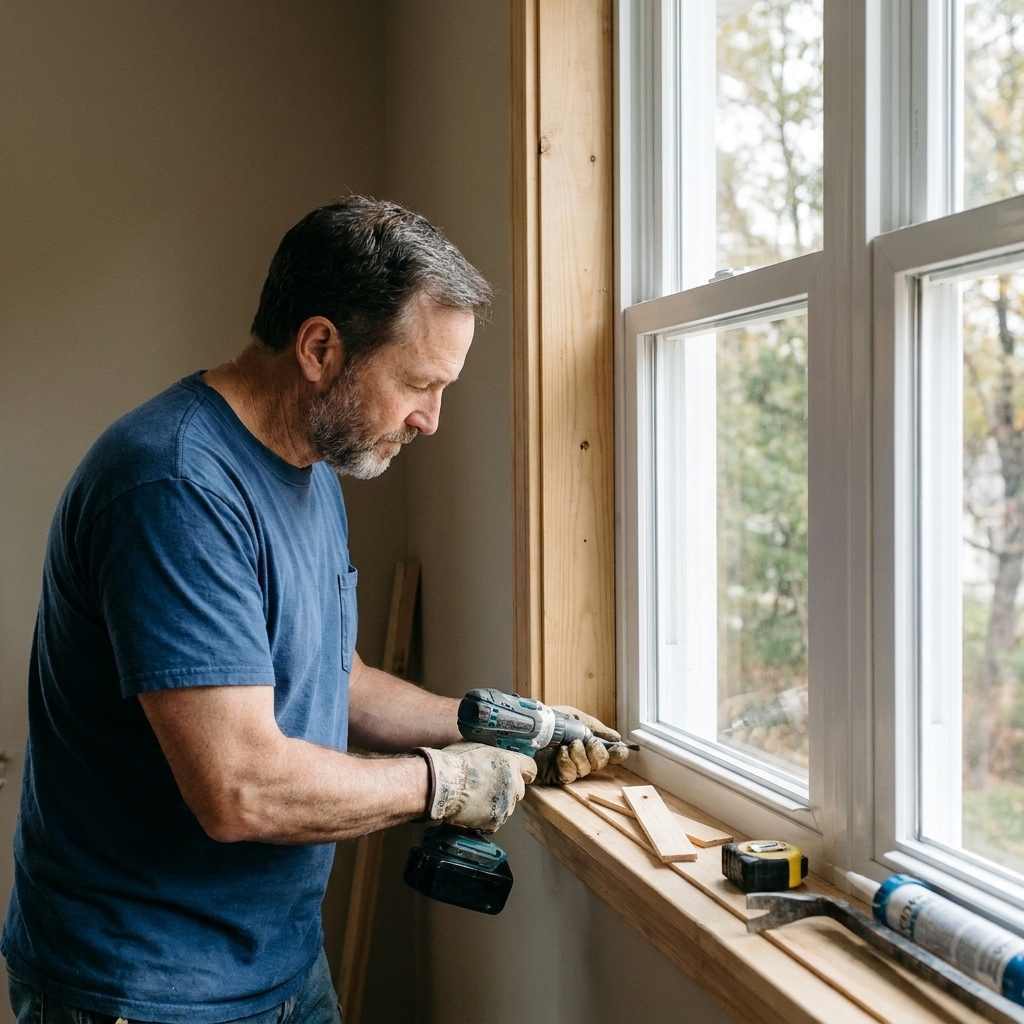

The first time I replaced windows in my 1970s split-level, I assumed it was like swapping a faucet: pull the old one, screw in the new one, and move on with your weekend. Then a neighbor asked, casually, “You pull a permit for that?” I laughed… and then I went down the rabbit hole of local codes, inspections, egress rules, and HOA fine print.
Here’s the plain-English truth: sometimes you need a permit to replace windows, sometimes you do not. It depends on what you are changing and where you live. This guide will help you figure it out before you order windows or pop trim.

The quick answer
You may need a building permit if your window project changes anything structural or safety-related, or if your city treats all window replacements as permitted work. You often do not need a permit if you are doing a like-for-like swap in the same opening with no framing changes and the same style and size.
Because rules vary by city and county, the best mindset is: assume “maybe” until you confirm.
When you usually need a permit
These are the scenarios that most commonly trigger permitting, inspections, or plan review.
- Changing the window size (bigger or smaller), even by a few inches.
- Changing the rough opening (cutting studs, altering headers, moving the opening).
- Changing the window type in a way that affects egress or safety, like converting a bedroom egress window to a smaller unit, or swapping a compliant window for one that does not open enough.
- Installing a new window where there was not one (new opening).
- Replacing a window in a load-bearing wall where framing modifications are required.
- Working on a historic property or in a designated historic district.
- Multifamily or condo buildings where exterior envelope changes are more strictly regulated.
- Areas with strict wind, flood, or seismic requirements (some jurisdictions require specific rated products and documentation).
If you are not sure whether your job counts as “structural,” here’s a simple gut-check: if you need to cut framing or add a new header, it is permit territory more often than not.
When you often do not need a permit
Many areas treat a basic replacement as routine maintenance.
- Same size, same opening, and no changes to structural framing.
- Same location, no moving the window.
- No change to emergency escape requirements (especially in bedrooms).
- No change to exterior appearance in neighborhoods where that matters (HOA or historic rules can override this).
Even in these “usually no permit” cases, some cities still require permits for any window replacement. That is why it pays to check instead of relying on what your cousin did two counties over.
Code issues to watch
Egress
If you are replacing a window in a bedroom, the big question is whether the window still qualifies as an emergency escape and rescue opening. Many U.S. jurisdictions base requirements on the IRC or IBC (with local amendments), and the details can vary by location and building type.
Inspectors and plan reviewers typically care about things like:
- Minimum clear opening area
- Minimum clear opening width and height
- Maximum sill height from the floor
- Whether the window can be opened without special knowledge or tools
Important: egress is not just about comfort. It is life safety. If you downsize a bedroom window or switch to a style with a smaller clear opening, you can accidentally create a code violation even if the window “fits.”
Safety glass
Tempered glass requirements are a common surprise. Safety glazing may be required in specific “hazardous locations,” and the trigger is often the exact placement and dimensions, not just the room.
Common examples that can trigger safety glazing (depending on your jurisdiction and the measurements on site) include:
- Glazing near doors
- Low glazing where the bottom edge is close to the floor
- Bathrooms and shower areas
- Some stair and landing conditions
If you change the window configuration or add larger panes lower to the floor, you can trip a safety-glass requirement even if the old window was not tempered.
Energy ratings
Many jurisdictions require replacement windows to meet energy performance standards. That usually means the label and manufacturer documentation matter. If a permit is pulled, an inspector may ask for:
- NFRC label (or equivalent rating label) on the window
- U-factor and SHGC ratings
- Documentation or spec sheets showing the window meets local energy targets
If you want to understand the glass terms manufacturers throw around, see our explainer on Low-E glass and argon gas.
Fall protection
In some places, windows above a certain height from grade or with low sill heights have fall protection requirements, especially for child safety. These rules are not adopted everywhere, so it is worth asking your local office what they enforce for your project.
It can affect:
- How far the window can open
- Whether window opening control devices are required
- Whether guards are needed
Flashing and water management
Even if a permit is not required, best practice is to install the replacement in a way that protects the wall from bulk water. Permitted jobs may be inspected for proper flashing and exterior integration. This is one of those unglamorous details that prevents expensive rot later.

HOA and historic rules
This is where homeowners get burned. An HOA approval is not the same thing as a building permit, and getting one does not replace the other.
HOA guidelines
If you have an HOA, read the architectural guidelines before you order windows. Common restrictions include:
- Frame color (inside, outside, or both)
- Grid pattern (colonial grids, prairie grids, none)
- Reflectivity or tint
- Material limitations (vinyl vs wood vs aluminum)
- Changes visible from the street
Even if your city does not require a permit, your HOA might require approval and could demand you undo the work if you skip it.
Historic districts
Historic review boards often care about profiles, muntins, divided lites, and exterior appearance. In many historic zones, replacing windows can require a separate approval process, sometimes with specific product requirements.
How to check permit rules
Here’s the approach I use because it saves time and avoids vague answers.
- Check your building department website first. Many cities list “window replacement” directly under common permits, and some have a quick online portal or handout.
- Write a one-sentence scope. Example: “Replace 10 double-hung windows with same-size inserts, no changes to openings.”
- List what is changing. Size changes? Type changes? Bedroom windows? Adding or moving windows? Insert vs full-frame?
- Call your local building department and ask: “Does this scope require a building permit in your jurisdiction?”
- Ask what triggers a permit if the answer is “sometimes.” Get the triggers in plain language.
- Ask about inspections (typical is rough opening or flashing inspection for full-frame installs, and sometimes a final inspection).
- Ask what documentation they want (window ratings, site plan, contractor license info, product approvals in high-wind zones).
What I like to have ready when I call: the address, how many windows, whether any are bedrooms, whether I’m changing size or type, and whether I plan insert replacements or full-frame replacements.
If you are hiring out the job, use our checklist of questions to ask before hiring a window replacement contractor. A good contractor will be clear about permitting in your area, and will not act annoyed when you ask.
Insert vs full-frame
Homeowners use these terms loosely, but your building department may treat them differently.
Insert replacement
This keeps the existing frame in place and replaces the sashes and tracks. It is generally less invasive. If it is truly like-for-like and you are not changing the opening, many places are more relaxed about permitting. The tradeoff is you can lose a bit of glass area, and you are relying on the old frame being solid.
Full-frame replacement
This removes the old frame down to the rough opening. It is the better option when you have rot, water damage, or you want to correct flashing and air sealing properly. It is also more likely to trigger permit requirements because the wall assembly is opened up and water management details matter more.
Other approvals to expect
Sometimes the building permit question is only half of it. Depending on the project, you might also run into separate requirements like:
- Engineering sign-off for larger opening changes (especially when headers change).
- Condo or building association rules that are stricter than the city’s, because the exterior wall is shared and the building envelope has to perform as a system.
- Trade permits if your window project involves electrical (alarm contacts), major exterior finish repairs (stucco work), or other related scope.
Skipping a required permit
I get why people avoid permits. It feels like paying for permission. But the practical risks can be bigger than most folks expect:
- Stop-work orders if the work is noticed mid-project.
- Fines or double-fee permit penalties in some jurisdictions.
- Problems during home sale if unpermitted work is discovered or disclosed.
- Insurance complications after a loss if unpermitted work is tied to the damage.
- Safety issues that are expensive to correct later, like non-compliant bedroom egress.
On a tight budget, I would rather spend my effort installing and flashing correctly than spending my future weekends tearing out brand-new trim because an inspector needs to see something.
DIY planning tips
- Do not change bedroom window size or style lightly. Protect egress.
- Keep labels and paperwork. If your windows come with NFRC labels, do not peel them off until you are sure you will not need them for an inspection.
- Photograph the opening and flashing. Even if nobody asks, you will be glad you have a record if you need to troubleshoot a leak later.
- Match the permit to the actual scope. If you pull a permit for inserts and then discover rot that forces full-frame replacement, call and update the scope.
- Plan for lead-safe practices if your home was built before 1978. That is not always a permit issue, but it is a real health issue when you disturb old paint. If you hire the work out, federal EPA Renovation, Repair and Painting rules can apply to contractors, and some states add their own requirements.
FAQ
Do I need a permit to replace windows myself?
Sometimes. DIY does not automatically exempt you. Many jurisdictions allow homeowners to pull their own permits for their primary residence, but the permit requirement depends on the scope and local rules.
Do replacement windows have to meet current code?
Often, yes for specific areas like egress, safety glazing, and energy performance. Some jurisdictions treat replacements as like-for-like, but most still enforce key safety items.
If I am replacing the same size window, can I ignore egress?
No. If it is a bedroom, you want to confirm the existing opening is compliant and that the new window’s clear opening (especially with different operating styles) stays compliant.
What if my contractor says a permit is not needed?
Ask them to explain why, in one sentence, and which local office or rule they are basing it on. If you are uneasy, call your building department yourself. It is your house and your future resale paperwork.
Will a permit increase the cost a lot?
It depends on your area, but permit fees are often modest compared to the overall project. If you are still budgeting the job, our cost breakdown can help you plan: the true cost of window replacement.
My rule of thumb
If you are doing a clean, same-size swap and not touching framing, you might be in the no-permit lane. The moment you change sizes, touch structure, alter a bedroom window, or work under HOA or historic rules, slow down and verify.
If you are still deciding whether replacement is even the right next step, this checklist is a good gut-check: 7 signs it’s time to replace your home’s windows.