
I still remember the first time I walked into a friend’s living room and noticed the blind cord hanging down like a toy. Their toddler was already making a beeline for it. It is one of those “once you see it, you cannot unsee it” moments.
If you have young kids, visiting grandkids, or a curious pet who treats your house like an obstacle course, window treatment safety is not a fussy detail. It is a straightforward upgrade that removes a real hazard and makes your rooms easier to live in.

Why cords are a bigger deal than most people think
Long, reachable cords can form loops and become an entanglement hazard for children. Pets can also get tangled or chew cords, which turns a safety issue into a repair issue fast.
The good news is you do not need to give up light control or privacy to cut cords out of the equation. Cordless and “safer by design” options are increasingly common, especially in newer midrange and premium lines.
One important nuance: “cordless” usually means there are no dangling operating cords you can grab. Some products still have internal cords, small connectors, or required tension devices depending on the mechanism. The goal is simple: nothing that can form a reachable loop.
If you want to read the safety guidance straight from the source, the U.S. Consumer Product Safety Commission window covering safety page is a solid overview.
Quick safety audit: what to fix today
Before you buy anything, take five minutes and do a walk-through. I like to start in the rooms where kids actually play and climb, then hit bedrooms.
Red flags
- Looped cords (continuous loop chain or a cord that can form a loop).
- Cords reachable from the floor, a crib, a bed, a couch, or a chair pulled near the window.
- Cord cleats that are not used or mounted too low to actually keep slack out of reach.
- Old mini blinds with multiple dangling lift cords.
- Pets that jump and can snag a hanging cord while launching to a windowsill.
Fast improvements while you plan upgrades
- Move climbable furniture away from windows. It is not always pretty, but it helps immediately.
- Use cord cleats correctly and keep cords wrapped tight and high. If you cannot mount a cleat high enough to be out of reach, treat it as a temporary measure, not a “done” solution.
- Replace the worst offenders first, usually nursery and kids’ bedrooms, then living areas.
And if you are already doing other window projects, it is a great time to batch tasks. For example, if you are measuring for new treatments, bookmark my measuring walk-through here: /measure-for-curtains-before-you-shop/.
What to do with corded blinds you already have
If replacing everything is not in the budget right now, focus on reducing risk while you work through the house.
- Start with the highest-risk rooms: nurseries, kids’ bedrooms, and any room where a crib or bed is near a window.
- Use the built-in safety hardware: if your blinds came with a cleat or tension device, install it and actually use it. A safety device in a drawer does nothing.
- Remove slack every time: even “one afternoon” of a dangling loop is too long in a kid zone.
- Be honest about visitors: grandparents and babysitters do not know your cord routine. If a window is in a childcare space, cordless is the cleanest fix.
Labels and standards to look for
When you shop, you may see packaging language about meeting current window covering safety requirements. In plain English, you want newer stock designed to eliminate accessible, loop-forming cords. If a product still relies on a looped chain or a long free-hanging cord, treat it as a “not for kid zones” option unless the control is truly out of reach and secured the way the manufacturer intends.
The best cordless alternatives (and where each one shines)
“Cordless” can mean a few different mechanisms. The best choice depends on window size, how often you adjust it, and how hard your household is on hardware.
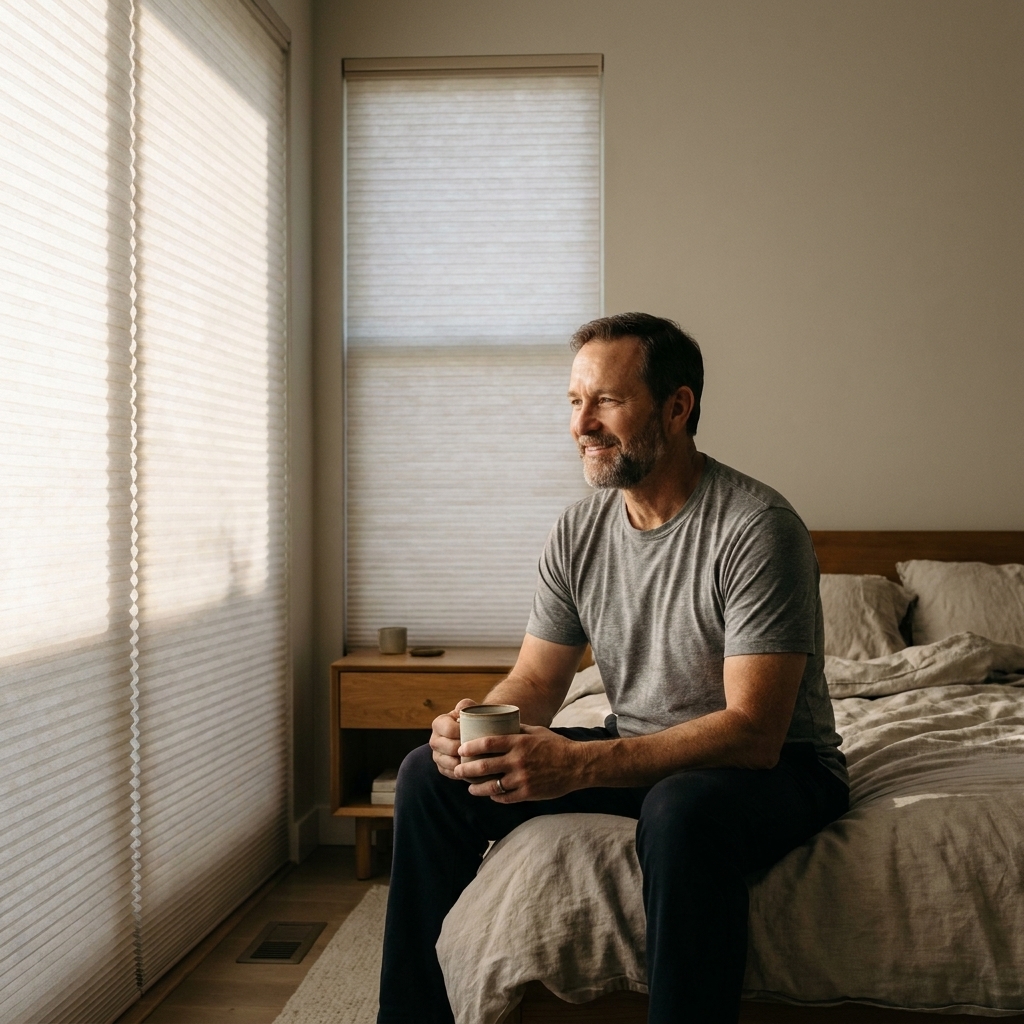
1) Cordless cellular shades (my go-to for bedrooms)
Cellular shades, sometimes called honeycomb shades, are one of the best all-around upgrades for homes with kids. They are typically operated by lifting and lowering the bottom rail, with no hanging cords.
- Pros: Great for insulation and light control, soft look, easy to run cordless.
- Watch for: Very wide shades can feel heavier to lift. Look for higher-quality rails that stay level.
- Best rooms: Bedrooms, nurseries, offices.
One variation worth considering is top-down/bottom-up cellular shades. You can keep privacy at eye level while still letting daylight in from the top. Many are available with cordless operation.
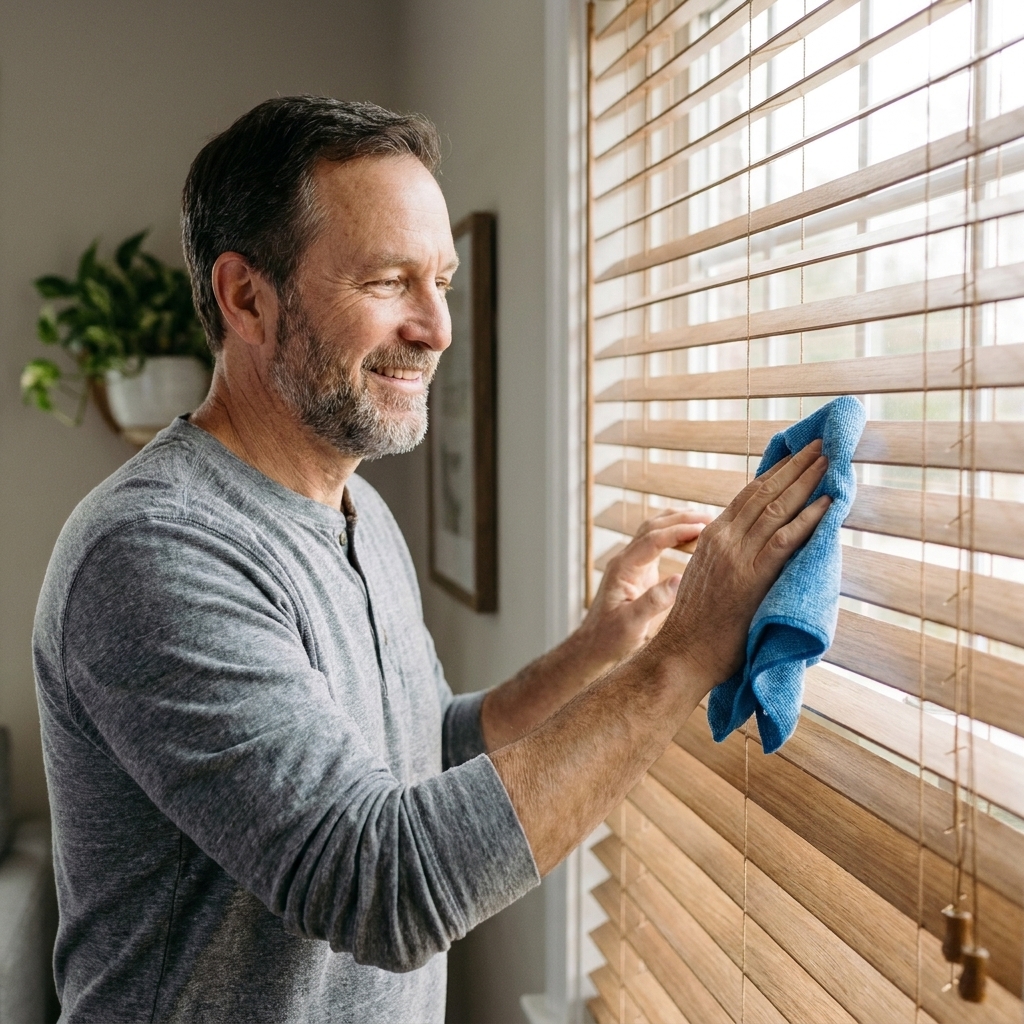
2) Cordless faux wood blinds (best for durability)
If you like the look of slats and want something that stands up to sticky fingers and wagging tails, cordless faux wood blinds are a strong choice. They are also easier to wipe down than fabric shades.
- Pros: Tough finish, easy cleaning, classic look.
- Watch for: Slats can still be bent if kids treat them like a ladder rung. Teaching “hands off” matters.
- Best rooms: Kitchens, family rooms, playrooms.
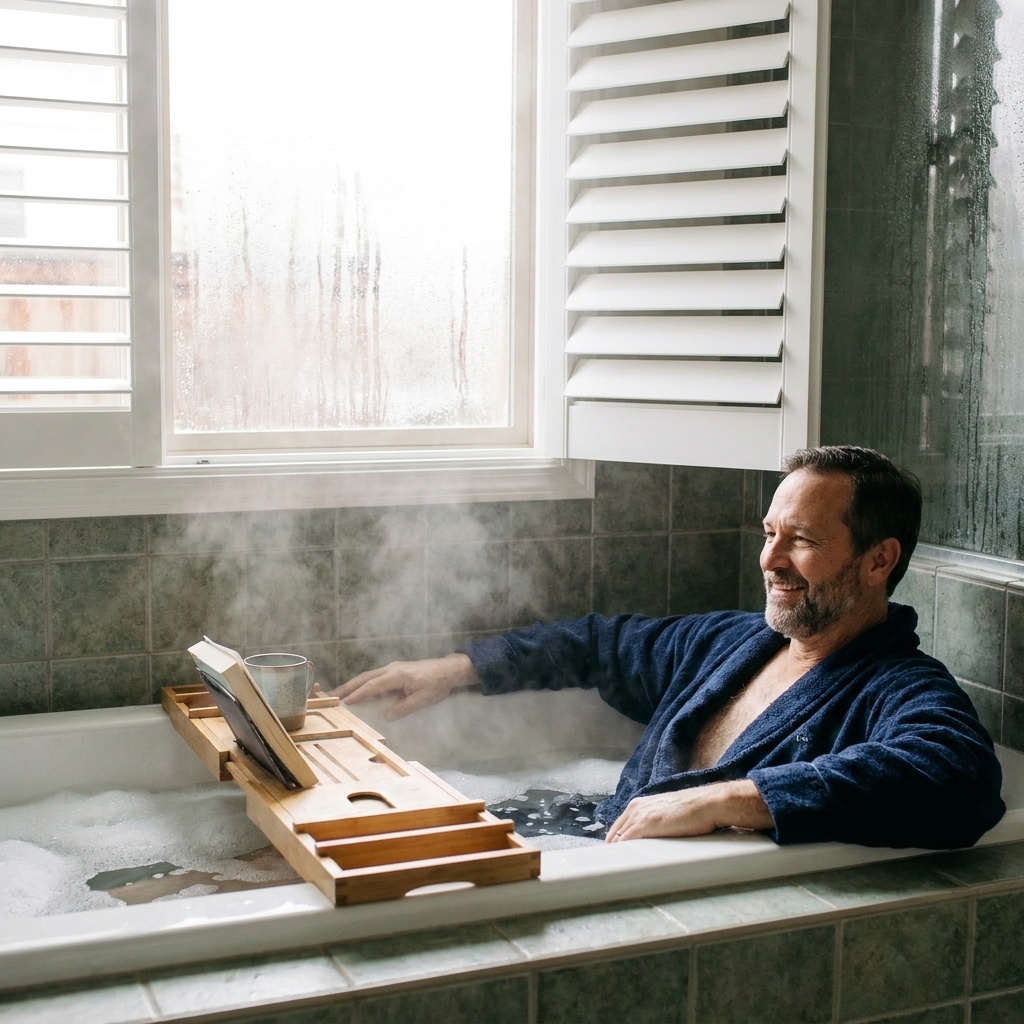
3) Spring-loaded roller shades (clean, simple, and budget-friendly)
Roller shades with a spring assist are about as simple as it gets: grab the bottom bar and set it where you want. They are a great option if you want a modern look, especially in smaller windows.
- Pros: Minimal look, easy operation, often one of the most affordable truly cordless options.
- Watch for: Cheap spring mechanisms can snap upward too fast. Look for smooth, controlled motion.
- Best rooms: Bathrooms, kitchens, kids’ rooms.
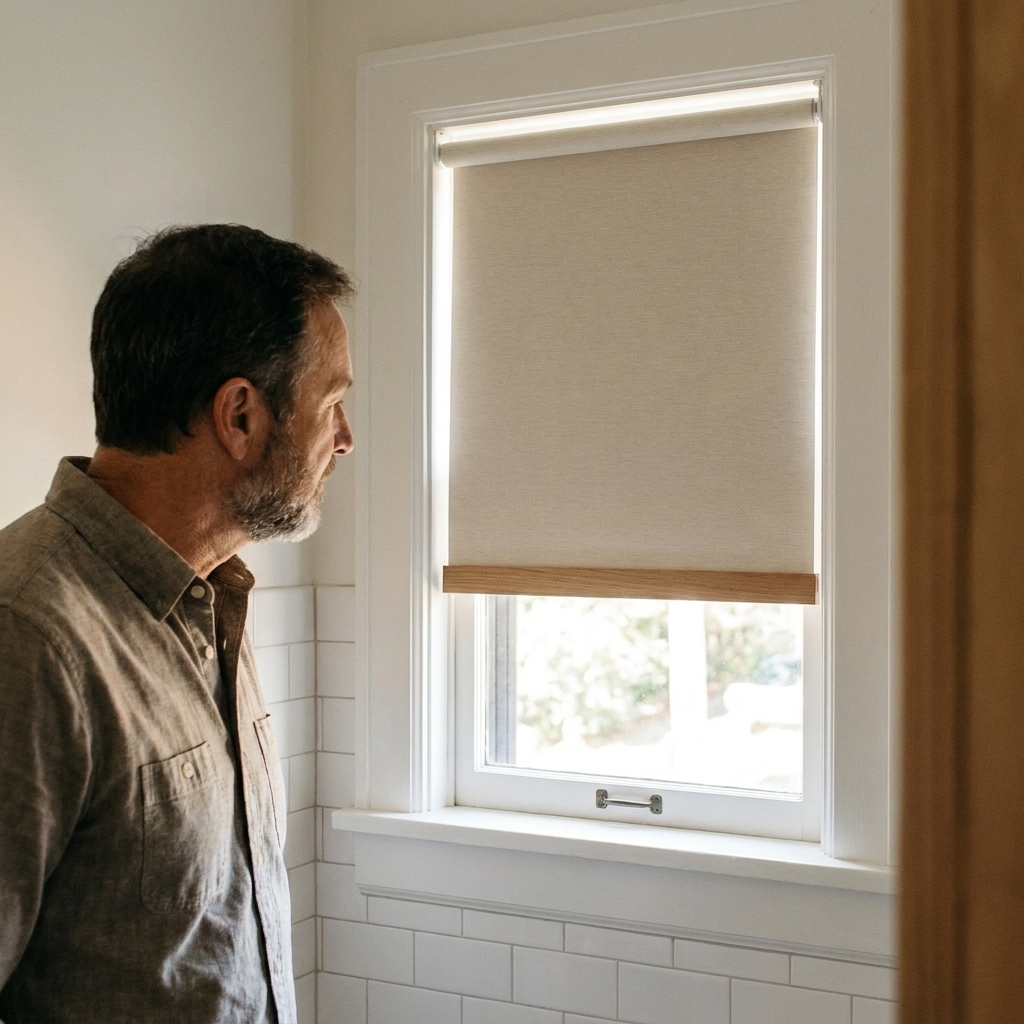
4) Cordless Roman shades (soft look without the dangly cords)
Roman shades add warmth and texture. Many newer models use cordless lift systems or hidden mechanisms that keep the front clean.
- Pros: High-end look, great fabrics, cozy feel.
- Watch for: Fabric gathers can become a “handle” for toddlers. Choose sturdier fabrics and mount high enough.
- Best rooms: Dining rooms, living rooms, primary bedrooms.
5) Motorized shades (the ultimate zero-cord solution)
If you want the cleanest setup possible, motorized shades remove cords entirely. You control them by remote, wall switch, app, or voice assistant depending on the system.
- Pros: No cords at all, great for tall windows and hard-to-reach areas, consistent daily use.
- Watch for: Battery changes or charging. Also plan where the remote will live so it does not become the new “toy.”
- Best rooms: Great rooms, stair landings, above-sink windows, tall or wide windows.
What to buy: a practical checklist
I have made enough “this looked right online” purchases to learn the hard way. Here is what I check before hitting checkout.
- True cordless operation: No reachable cords, chains, or looped controls.
- Safer by design details: Read the control description carefully. Some products are “cordless” at the front but still require a tension device or have components that must be installed correctly to stay safe.
- Bottom rail feel: For lift shades, a sturdier bottom rail usually means smoother daily use.
- Light control needs: Blackout for naps and bedrooms, light filtering for living spaces, privacy for bathrooms.
- Inside mount vs outside mount: Inside mount looks cleaner, outside mount can block more light gaps.
- Cleaning reality: If it is going in a kitchen or near a dog’s favorite window, choose wipeable surfaces.
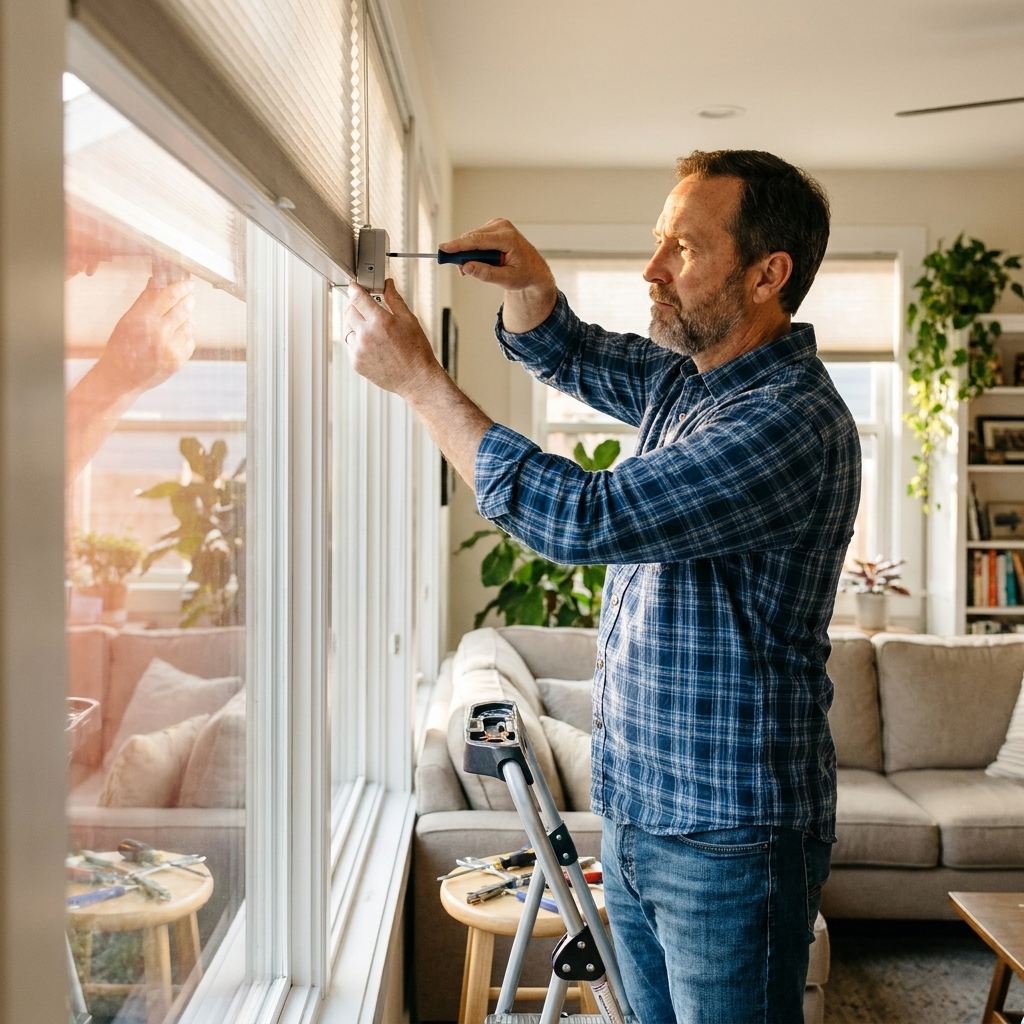
Installation tips that matter for safety
Cordless reduces risk, but install still matters. A shade that is loose, crooked, or easy to yank can turn into its own problem.
Mount it like it is going to be tugged
- Hit studs when you can, especially for wider blinds and shades.
- If you cannot hit studs, use appropriate anchors rated for the weight of the treatment.
- Do not overtighten into drywall. Stripped holes get sloppy fast and make brackets wobble.
If you are hanging hardware in drywall often, this guide will save you a lot of frustration: /hang-heavy-drapery-rods-in-drywall-without-a-stud/.
Keep climb points away from the window
Even with cordless shades, I recommend keeping cribs, beds, and low dressers away from windows. Kids are creative, and window screens are not designed to stop a determined climber.
Pet-proofing specifics
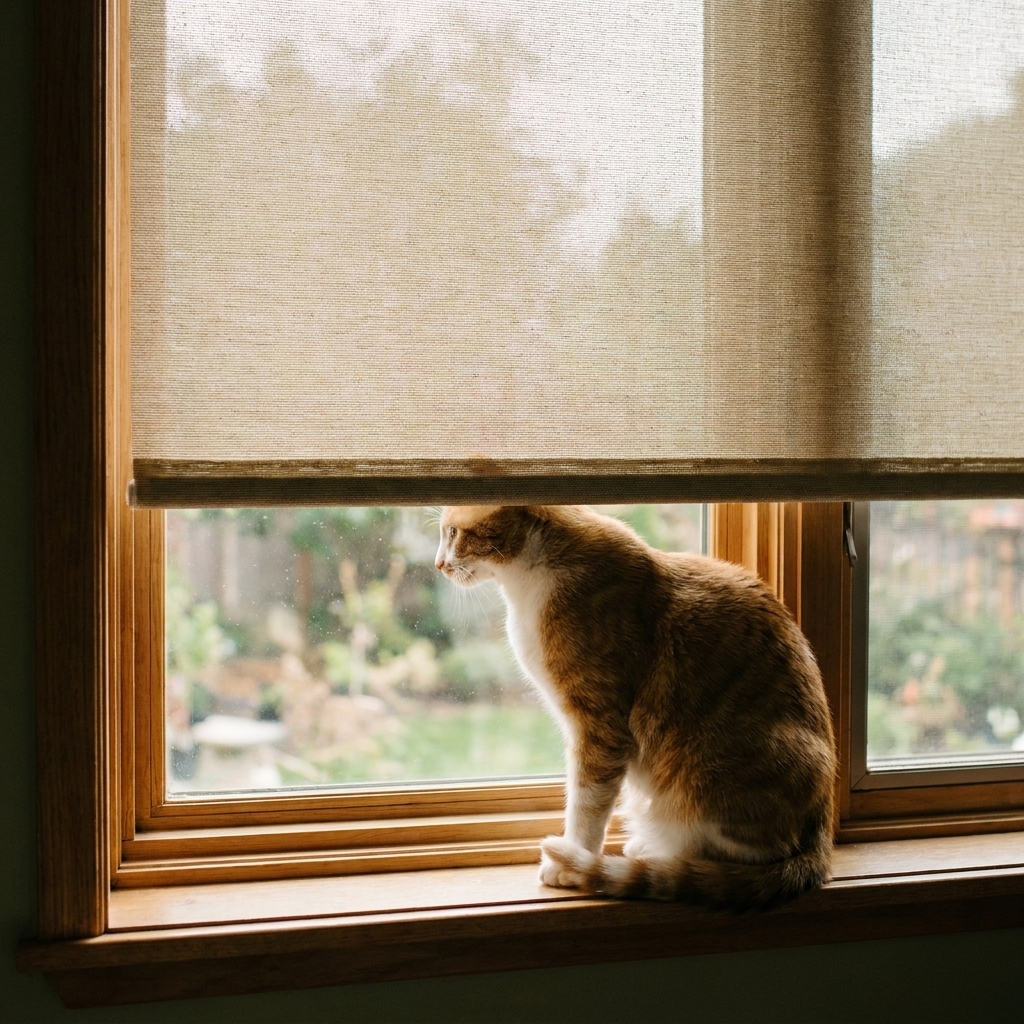
- Avoid dangling anything, including decorative pulls that hang low.
- Choose tougher materials in pet zones: faux wood, roller shades, or tighter weaves.
- Expect window patrol: if your pet loves that window, plan for nose prints and paw taps. Pick something easy to wipe clean.
- Check the sill space: if you want to keep the window as a pet perch, roller shades tend to stay neater than slats.
Frequently asked questions
Are cord cleats enough to make corded blinds safe?
Cord cleats can reduce risk when cords are wrapped up correctly and mounted high enough to keep slack out of reach. In real life, cords do not always get re-wrapped, and visitors do not always know the routine. For homes with young kids, I treat cleats as a temporary safety step while you transition to cordless.
What about vertical blinds or sliding door coverings?
Sliding doors are common trouble spots because the controls are used constantly. Look for vertical blind systems where the wand is the only control and there is no accessible looped chain. If your layout and budget allow, a motorized panel track or roller shade can be a very clean solution.
Do cordless shades wear out faster?
Not inherently. What wears out shades is rough handling, crooked lifting, and cheap hardware. Buying the best mechanism you can reasonably afford usually matters more than the category.
I rent. What is the safest upgrade that is easy to remove later?
Cordless roller shades or cordless cellular shades are often the easiest: a couple of brackets, a clean look, and no cords to manage. Save the original treatments and reinstall them when you move out.
A simple upgrade plan
If you are trying to tackle this without spending a fortune all at once, here is the order I recommend:
- Nursery and kids’ bedrooms: prioritize blackout or light filtering cordless shades.
- Main living area: replace anything with reachable loops or long cords.
- Rooms with climbable furniture near windows: guest rooms, offices, and playrooms.
- Hard-to-reach windows: consider motorized options as a quality-of-life upgrade.
And if you are already refreshing how a room handles light overall, pairing safe treatments with smart reflectivity can make a space feel bigger and brighter. This guide is a good companion: /strategic-mirror-placement-for-more-natural-light/.
When kids and pets are in the mix, cordless is not a luxury feature. It is a safety feature that also makes daily life easier.