

I have made a lot of “good enough for now” choices in my fixer upper, but bedroom window treatments are not one of them. If a shade leaks light at the top or rattles when the furnace kicks on, you feel it at 2 a.m. That is why this cellular shades vs. Roman shades decision is worth a real comparison, not a quick guess in the aisle.
Both can look great in a bedroom. The better pick depends on what you care about most: true room darkening, winter comfort, a soft designer look, or the easiest cleaning routine.
Quick verdict
- Pick cellular shades if your top priorities are insulation, tight light control, and a clean, low-profile look.
- Pick Roman shades if you want a soft fabric statement, love layered textures, and do not mind a bit more maintenance.
- For the best sleep, either style can work, but the “easiest win” is usually cellular shades with a blackout fabric and side channels (or a very tight inside mount).
How they work (and why that matters at night)
Cellular shades
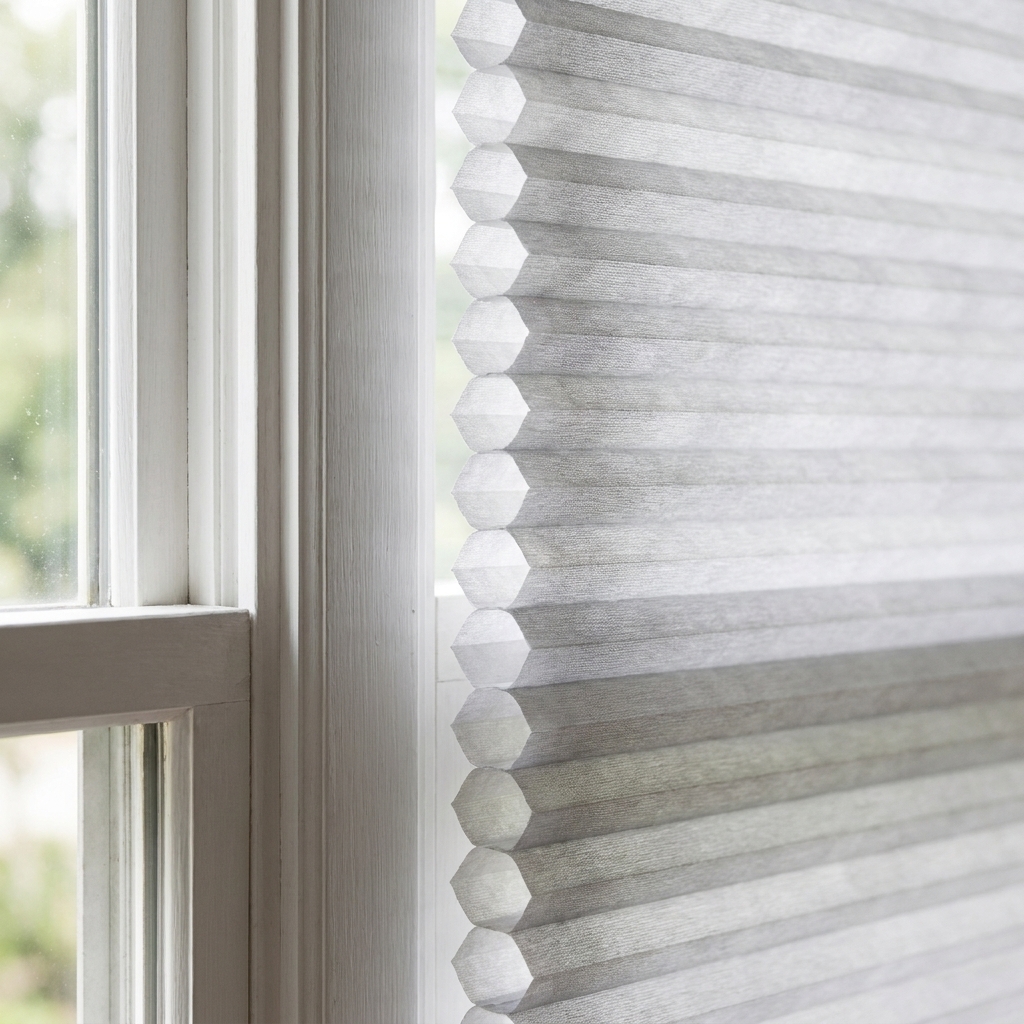
Cellular shades (also called honeycomb shades) are made from fabric formed into “cells” that trap air. That pocket of air is what makes them such strong performers for insulation. They raise and lower as one smooth panel.
Roman shades
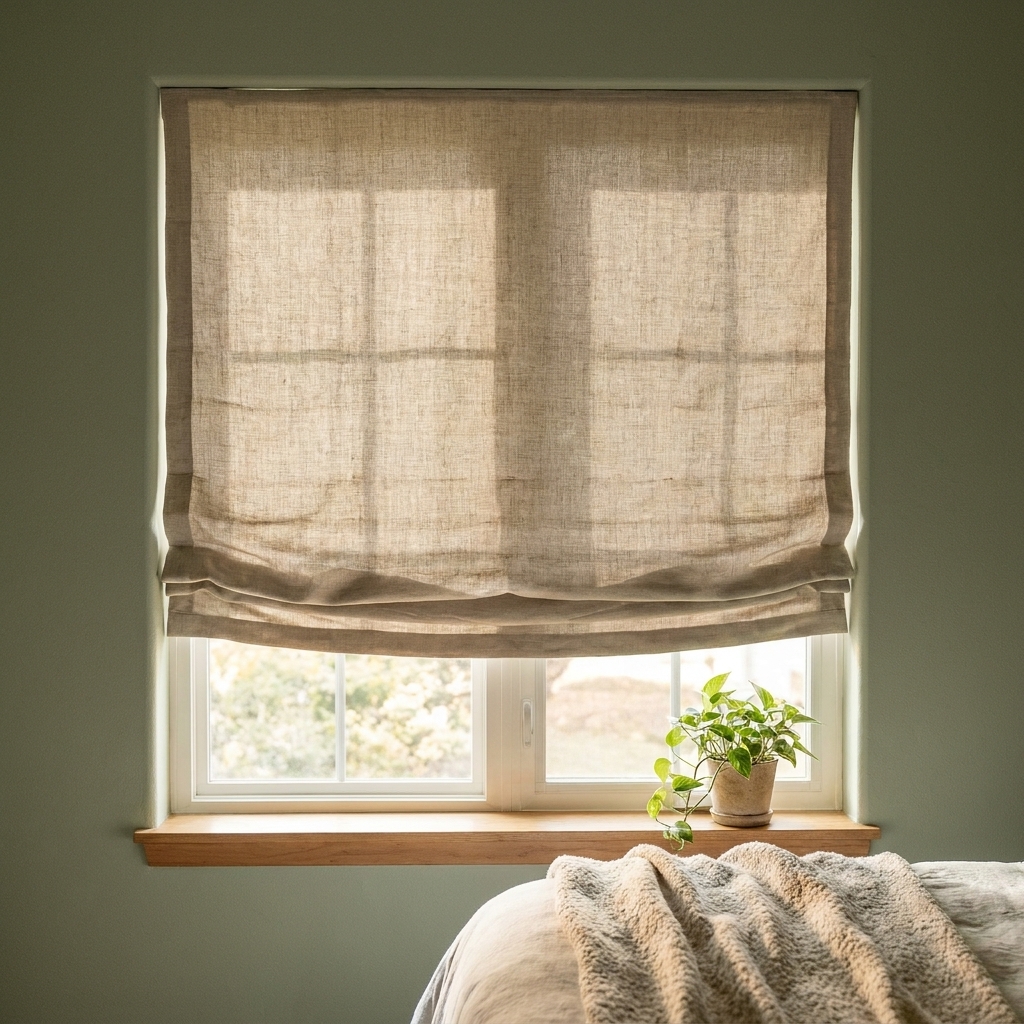
Roman shades are a fabric panel that stacks into folds when raised. They can be flat, relaxed, or hobbled (soft, layered folds). In a bedroom, Romans are chosen as much for the look as for the function.
Light blocking and sleep: which one actually darkens better?
Cellular shades: best for minimizing light gaps
If you are sensitive to streetlights, early sun, or that one neighbor’s porch light, cellular shades tend to win because they sit flatter against the window and do not have “fold bulk” that can flare out at the sides. You can also get them in true blackout fabrics and add light-blocking features.
- Best setup for sleep: blackout cellular shade + inside mount + snug headrail.
- Even better: add side channels if your room gets blasted with side light.
Roman shades: can darken, but side gaps are common
Roman shades can be lined with blackout material, and that helps a lot. The catch is that Romans are usually bulkier at the edges and can bow slightly, which makes side gaps more noticeable, especially on wide windows.
- To improve darkness: choose a blackout lining and consider an outside mount that overlaps the trim.
- Pairing trick: Romans plus blackout drapes is a classic “hotel room” combo when you want fabric softness and serious darkness.
My practical rule
If you want to sleep past sunrise without adding curtains, cellular shades are usually the simpler path.
Energy insulation and comfort: who keeps the bedroom warmer?
Cellular shades: the insulation champ
Those air pockets are not marketing fluff. They act like a buffer between your room and the glass. If your bedroom runs cold in winter or you have a window that always feels “chilly,” cellular shades are one of the most noticeable comfort upgrades you can make without touching the window itself.
- Single cell: slimmer look, solid insulation.
- Double cell: better insulation, slightly bulkier stack.
Roman shades: decent, especially with lining
A lined Roman shade adds a layer of fabric, which helps. But it is not the same as trapped air cells, and Romans often have more leakage around the sides and top unless you mount them thoughtfully.
If drafts are the real problem
No shade can fix a leaky window. If you can feel air moving, start with sealing and weatherproofing. This guide on weatherstripping vs. caulking for drafty windows is a good next step, and if your windows sweat and feel icy, see why windows sweat in winter and how to stop it.
Style and bedroom vibe: crisp and quiet vs. soft and tailored
Cellular shades: disappear in a good way
Cellular shades are the “clean base layer” of window treatments. They are great when you want the room to feel calm and uncluttered, or when you are already working with bold bedding, wallpaper, or a statement headboard.
- Best for: modern, Scandinavian, minimalist, small bedrooms.
- Look note: inside mounts give the most built-in, finished look.
Roman shades: fabric brings warmth
Roman shades read like soft furniture. They add texture, pattern, and a cozy “put together” feel, even in a plain room. If your bedroom feels a little boxy, Romans can soften it fast.
- Best for: traditional, cottage, vintage, eclectic, “boutique hotel” bedrooms.
- Look note: a relaxed Roman can look wonderfully casual, but it is not everyone’s taste if you prefer crisp lines.
Maintenance and cleaning: what you will actually do on a Saturday
Cellular shades: low effort, but be gentle
Most of the time, a vacuum brush attachment or a microfiber duster is all you need. The main caution is that cellular fabric can crease if it gets crushed or scrubbed aggressively.
- Weekly reality: quick dusting.
- Spot cleaning: follow the manufacturer directions and test in an inconspicuous spot.
Roman shades: more dust-catching, more fabric care
Romans have folds, and folds collect dust. If you choose a textured fabric, pet hair and lint can be more noticeable. Some Roman shades are made with removable fabric for cleaning, but many are not, so you are living with periodic vacuuming and careful spot cleaning.
- Weekly reality: vacuum with brush attachment, especially along folds.
- If allergies are a big issue: cellular shades tend to be simpler to keep clean.
Costs and value: what usually drives the price
Pricing varies by brand and installer, but the cost drivers are pretty consistent.
Cellular shade cost factors
- Size (big windows climb fast)
- Blackout vs. light filtering
- Single cell vs. double cell
- Top-down/bottom-up features
- Cordless mechanisms
Roman shade cost factors
- Fabric choice (this is the big one)
- Blackout lining
- Custom sizing and pattern matching
- Style (flat is often simpler than hobbled)
In my experience, cellular shades often deliver more functional benefit per dollar in a bedroom. Roman shades can absolutely be worth it, but you are paying for the fabric look and the tailored finish.
Noise and privacy: the underrated bedroom factors
Privacy
Both offer excellent privacy when fully lowered. For bedrooms facing a street, consider cordless designs so you are not dealing with dangling cords and awkward light leaks around cord routes. If you have kids, start here: child-proof window treatments and safe cordless options.
Noise
Neither is a true soundproofing solution, but cellular shades can slightly soften outside noise thanks to the air pockets and tighter fit. If sound is your main complaint, you will get better results from window sealing and heavier layers. This guide covers what actually moves the needle: DIY window soundproofing that works.
Choosing based on your bedroom situation
If you work nights or sleep late
- Best bet: blackout cellular shades, inside mount, consider side channels.
- Also works: blackout-lined Roman shade with outside mount plus blackout drapes.
If your bedroom runs cold in winter
- Best bet: double-cell cellular shades.
- Bonus: if your heating bills are creeping up, read do thermal curtains lower winter heating bills? to see when adding drapes makes sense.
If you want a soft, designer look without changing the whole room
- Best bet: Roman shades in a textured neutral or a subtle pattern.
- Tip: keep the hardware and headrail as streamlined as possible so the fabric stays the star.
If you have pets (or a lint situation)
- Best bet: cellular shades in a smooth fabric that does not grab hair.
- Roman reality: folds can become fur shelves unless you vacuum them often.
If you are renting or want the least fussy install
Both can be installed with basic tools, but cellular shades are typically lighter and more forgiving if your window frames are not perfectly square. Whatever you pick, measure carefully first. This guide will keep you out of trouble: measure for curtains before you shop. The same measuring mindset applies to shades.
Installation details that decide whether you love them
Inside mount vs. outside mount
- Inside mount: cleaner look and generally better for cellular shades. For darkness, remember that inside mounts almost always have small side gaps.
- Outside mount: better for hiding light gaps and covering odd trim, and often a smart move for Roman shades if you want more blackout performance.
Depth and clearance
Roman shades need room to stack when raised. If your window is in a tight spot near closet doors or you want to open the window without fabric bunching in the way, cellular shades usually behave better.
FAQ
Are cellular shades or Roman shades better for blackout?
If you want the most dependable darkness with the least fuss, cellular shades usually win. Romans can do blackout too, but you often need blackout lining and a mount that reduces side gaps.
Do Roman shades insulate as well as cellular shades?
Not usually. Lined Romans help, but cellular shades are designed to trap air, which is the big advantage.
Which one looks more high-end?
Roman shades have a naturally tailored, upholstered look that many people read as “custom.” Cellular shades look clean and intentional, but more understated.
Which one is easier to keep clean?
Cellular shades are typically easier for day-to-day upkeep. Roman shades have folds that catch dust and hair.
My simple decision shortcut
If your bedroom priority is sleep and comfort, start with cellular shades. If your priority is a fabric statement, choose Roman shades and plan for blackout lining or layering.
When I am helping a friend decide, I ask one question: “What would annoy you more, a little extra light at the edge or a room that feels cold?” If the answer is light, cellular. If the answer is style and softness, Roman.